What this guide is really about
You already know the pitch. Batch your content, save hours, never stare at a blank screen at 9 PM again. The advice is everywhere. What nobody tells you is why it keeps not working for you.
Most creators try batching once or twice. They block off a Saturday, write twelve posts, feel productive, then never do it again. The posts sit in drafts. The system never repeats. The problem is not motivation. It is structure.
This guide gives you a five-phase production system that treats content batching like a real workflow, not a motivational exercise. Each phase has a specific job, a decision gate, and a guardrail against the three things that kill batch sessions: perfectionism, energy crashes, and scope creep.
Content batching means producing multiple posts in one focused session instead of creating each one daily. The system that works has five phases: capture ideas, align them to your pillars, draft every post in one writing block, adapt for each platform, then schedule the batch. Most attempts fail not because the idea is wrong but because creators skip structure, hit perfectionism mid-draft, or run out of energy bef...
A repeatable five-phase system you can run every week
A timed batch-day agenda that fits in 90 minutes
Guardrails against the three failure modes that derail sessions
A Threads-specific text-first application with real examples
Content batching works when it is a structured production line, not a motivational exercise.
Never mix phases: capture, align, draft, adapt, and schedule are separate blocks.
The draft phase needs a strict no-editing rule until every post is written.
Sequence your hardest posts first to manage energy, not just time.
Cap batch size and set a hard stop to prevent scope creep from killing the session.
Why Most Content Batching Attempts Stall
The research on task switching is clear. Every time you jump between different types of work, your brain pays a switching cost. The American Psychological Association notes that brief task-switch blocks can cost as much as 40 percent of productive time. Content batching solves this by keeping your brain in one mode for an extended block.
But here is where most guides stop. They tell you batching saves time and then hand you a list of steps. They skip the failure points. In practice, three things derail batch sessions before they produce usable content.
Perfectionism freezes the draft phase. You write one post, rewrite it three times, and your two-hour window produces a single post. Energy crashes hit around the ninety-minute mark if you have not planned breaks or sequenced your hardest work first. Scope creep turns a content batch into a branding overhaul, a photo shoot, and a strategy pivot all in one afternoon.
A production system addresses each of these with a specific protocol. That is the difference between content batching as a productivity buzzword and batching as a repeatable workflow you actually use every week.
The Five-Phase Production System
Think of content batching as a production line, not a brainstorming session. Raw material comes in at one end. Finished, scheduled posts come out the other. Each phase transforms the material one step. You never go backward.
Phase 1 captures raw ideas into a single running list. Phase 2 sorts those ideas by content pillars and picks the batch. Phase 3 drafts every post in one focused block with a strict no-editing rule. Phase 4 creates platform-specific versions of each draft. Phase 5 loads everything into your queue with timing logic. The calendar tells you what week you are filling. The batch session produces the posts.
Each phase has a decision gate. Capture ends when the idea is logged, not developed. Align ends when the week's posts are chosen. Draft ends when every selected idea has a first draft. Adapt ends when each draft has an identical, adapt, or skip label. Schedule ends when the queue is loaded and the tool is closed.
The key principle is that you never mix phases. Writing and editing happen separately. Adapting for platforms happens after all drafts are done. Scheduling happens last. This is what cognitive researchers call maintaining a single task set, and it is why batching works when you follow the structure instead of improvising.
Phase 1 and 2: Capture and Align
Capture is a low-friction habit, not a scheduled event. Keep one running list. A notes app, a spreadsheet column, a voice memo folder. The format does not matter. What matters is that you never have to decide where to put an idea. When a thought shows up, you drop it in the list and move on. No judgment, no development, no filtering. That comes later.
Align is the sorting gate. Once a week, open your capture list and sort every idea against your content pillars. If you have not defined pillars yet, the content pillars system is where you start. Pillars give you a framework to decide what is worth a post and what is not. Without them, you will batch random ideas and wonder why nothing builds momentum.
Pick the number of posts you need for the coming week or two. Assign each selected idea to a pillar. If one pillar has zero ideas, that is a signal to capture more for that pillar or adjust your plan. Your broader content strategy should guide which pillars get more slots this week. Close the capture list. You now have a batch to draft.
Editing while drafting, which turns a thirty-minute writing block into a three-hour perfectionism spiral.
Starting without content pillars, which means you batch random ideas that never build momentum.
Trying to batch a full month of content in one session instead of building a weekly rhythm.
Mixing research into the draft phase, which breaks focus and extends the session past your energy window.
Scheduling without any timing logic, which means good posts go out when your audience is not active.
Phase 3: The Draft Batch
This is the phase where most sessions win or lose. Set a timer. Open your aligned idea list. Write every post as a first draft with one rule: no editing until every draft is done. If you hit a sentence that feels wrong, leave it. Put a marker like [FIX] and keep writing. The goal is a complete set of rough drafts, not polished posts.
Sequence matters. Write your hardest or most thoughtful posts first, when your energy is highest. Save quick formats like questions, quotes, and simple observations for the back half of the session. This is energy management, not just time management. The creators who batch successfully are not the ones with more willpower. They are the ones who put their hardest work in the first forty-five minutes.
For text-first platforms like Threads, write the actual post text in this block. Keep each draft under the 500-character limit so you do not trim later. Example batch from one aligned list: (1) hot take on why mid-draft editing kills sessions, (2) three rules for a 90-minute batch, (3) the month-long marathon mistake, (4) a reply prompt asking what kills your batch day, (5) a short observation about sequencing hardest posts first. Use a formatting guide for hooks and line breaks only after every draft exists. Do not open a design tool, search images, or check analytics in this block.
Phase 4: Adapt Across Platforms
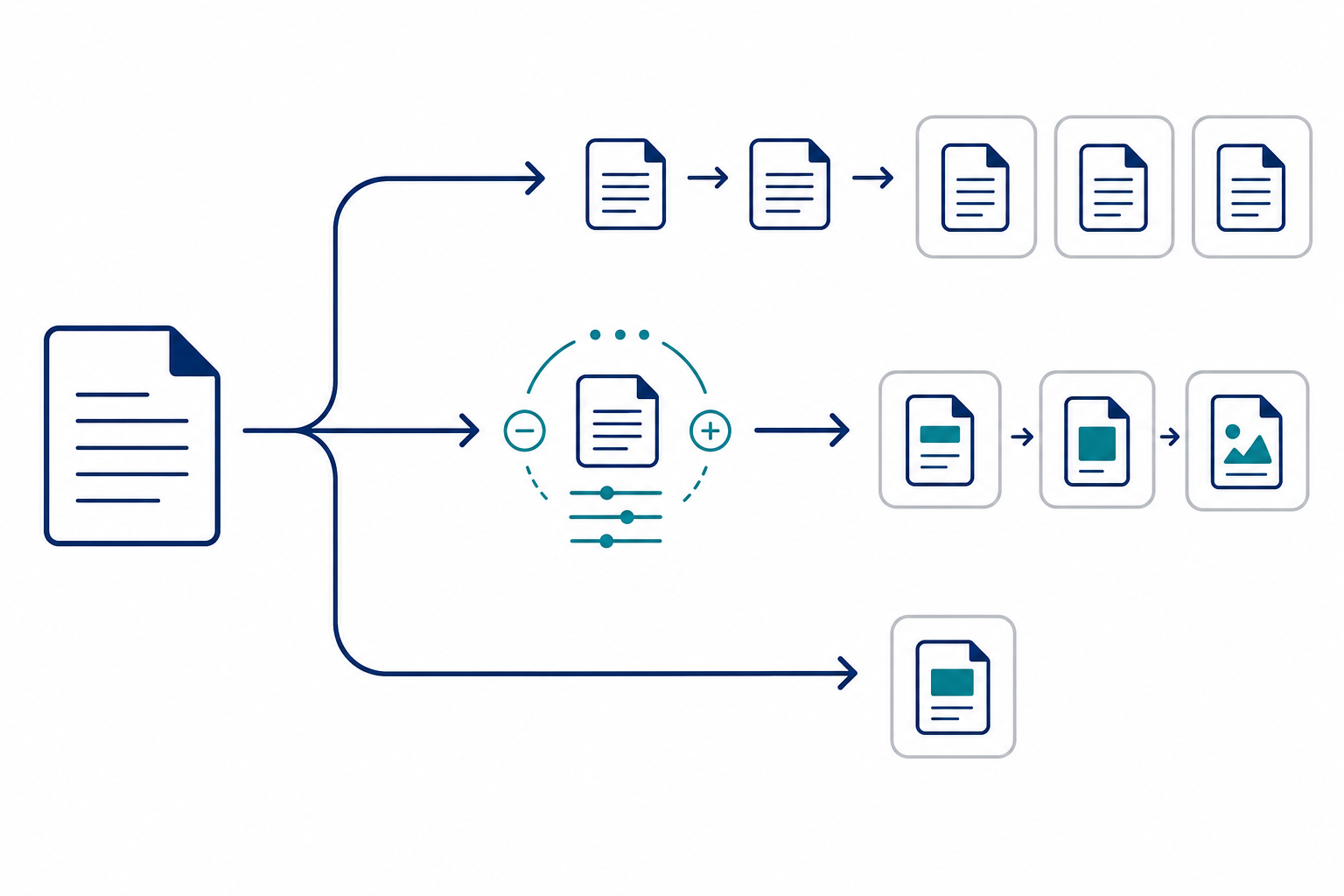
If you post on more than one platform, this is where you create variants. Take each finished draft and decide: does this post work as-is on the other platform, does it need adaptation, or should it stay platform-specific? This is the identical-adapt-skip decision from cross-posting strategy. Most posts need light adaptation. A Threads post might become a LinkedIn post with a different opening line and a more professional close.
The mistake to avoid here is treating adaptation as a second creative session. You are not rewriting. You are adjusting register, length, and format markers. Keep a simple adaptation table: for each platform, note the character limit, the tone shift, and any platform-specific element like topic tags on Threads, hashtags on Instagram, or document attachments on LinkedIn.
If you are posting to Threads only, this phase is fast. Review each draft, confirm it fits the character limit, and mark it ready to schedule. You can also use the free Threads post creator to quickly format and refine drafts before they go into your queue.
Phase 5: Schedule and Ship
The final phase is mechanical. Load every finished, adapted post into your scheduling tool. If you use Threads native scheduling, set the date and time for each post. If you use the Threads publishing API or a scheduling tool, queue them in batches. The point of this phase is to remove the daily decision of what to post today entirely.
For timing, do not rely on universal best-time charts. Your audience has its own activity pattern. Run a simple test: schedule the same post type at different times across two weeks and compare the replies and reposts in your analytics. Over time, you will find your own reliable windows instead of guessing.
Once everything is scheduled, close the tool. The batch is done. You should feel a specific kind of relief: the content is not just written, it is shipped. That feeling is what makes the system repeatable week after week.
Running a Real Batch Day
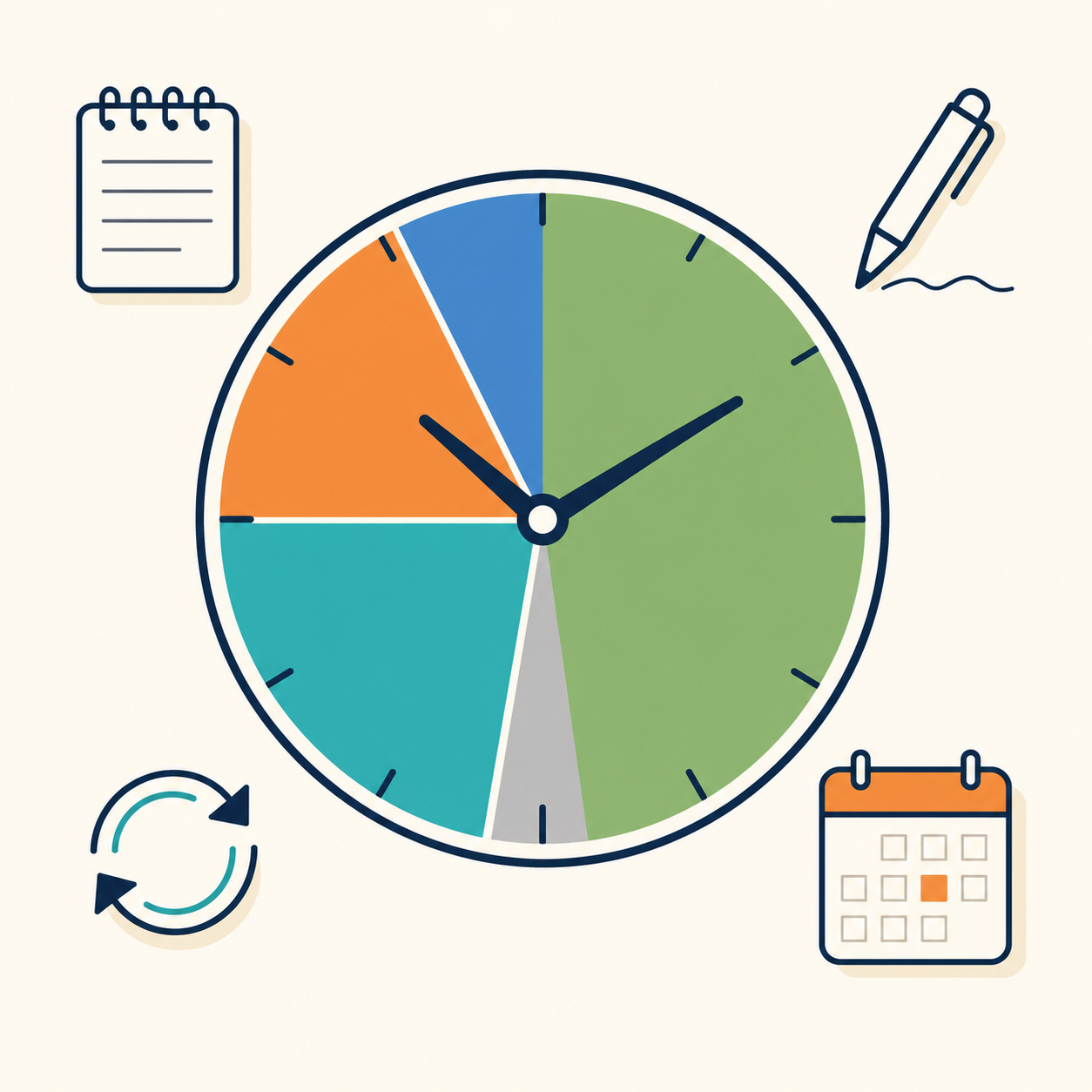
A realistic batch session for a solo creator takes about 90 to 120 minutes for a week of text-first content. Here is a sample agenda that accounts for energy and decision fatigue. Minutes 0 to 10: review your aligned idea list, confirm the batch. Minutes 10 to 55: draft phase, hardest posts first, no editing. Five-minute break. Minutes 60 to 80: adapt phase, platform variants. Minutes 80 to 100: schedule phase, load the queue. Minutes 100 to 110: review the scheduled week, make one small adjustment if needed.
Three guardrails keep the session on track. First, set a hard stop time. When the timer ends, whatever is drafted is what gets scheduled. Incomplete drafts stay for next week. Second, no research during the session. If you discover you need a stat or a source, mark it and keep writing. Fill sources after the batch or during a separate research block. Third, cap the batch size. If you usually publish five posts a week, batch six or seven. Do not try to produce thirty posts in one session. That is how scope creep kills the system.
The creators who make batching a permanent habit are not the ones who do marathon sessions. They are the ones who run a tight ninety-minute session every week, ship what they have, and improve the next batch based on what worked. Use your content calendar template as the weekly map of what ships when. This batching system is the production line that fills that map. Do not rebuild the calendar during the batch session. The content brief template helps if you are handing drafts to a freelancer.
Action checklist
Use this as the practical next pass after reading the guide.
- +Set up one running capture list (notes app, spreadsheet, or voice memos).
- +Define or review your content pillars before your next batch session.
- +Block a 90-minute weekly batch session on your calendar and protect it.
- +Write all drafts first, then edit, then adapt, then schedule.
- +Test posting times across two weeks and note your best windows.
- +Review your batch output against analytics weekly and adjust one thing.

Conclusion
Content batching is not about willpower or marathon sessions. It is about a production system with clear phases, decision gates, and guardrails against the things that actually derail it.
Start with one ninety-minute session this week. Capture, align, draft, adapt, schedule. Ship what you have. Then do it again next week. The system compounds when it repeats.