
What this guide is really about
Most advice about social media posting schedules tells you to copy someone else's times. Post Tuesday at 10 AM. Share three times a day. Switch to video on Wednesdays. That advice works for the person who wrote it, not for you.
A posting schedule that sticks has to fit three things: the platforms your audience actually uses, the cadence you can sustain without burning out, and the content you genuinely enjoy making. Generic templates skip all three and hand you a spreadsheet instead.
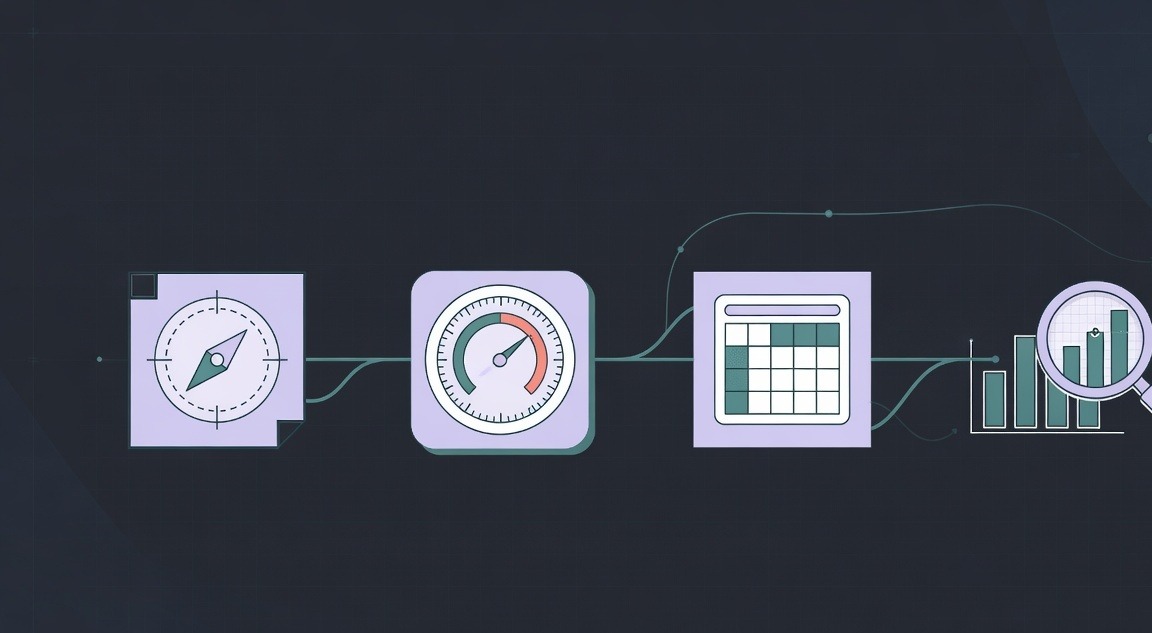
This guide gives you a system for building your own posting schedule from scratch. You'll get a platform-fit matrix, a per-platform cadence dial, a weekly grid template, and a test protocol so you can adjust based on real results instead of guesswork.
To build a social media posting schedule you'll actually follow: (1) pick 2-3 platforms where your audience already gathers using a platform-fit matrix, (2) set a cadence per platform using a floor/target/ceiling dial based on what you can sustain, (3) fill a weekly grid mapping content types to days, (4) adapt one source into platform-native versions instead of writing separate posts, and (5) test for four weeks ...
A platform-fit matrix to decide which platforms deserve your time
A cadence dial to set sustainable posting frequency per platform
A weekly grid template you can fill in 30 minutes
A four-week test protocol to validate and adjust your schedule
Your posting schedule starts with platform choice, not post timing. Posting at the wrong time on the right platform beats posting at the right time on the wrong one.
Sustainable cadence beats ambitious cadence. A schedule you follow for six months outperforms one you abandon in week three.
One source adapted per platform beats separate posts per platform. Write once, reshape three ways.
Universal best times are averages across millions of accounts. Your audience's best time is specific to them, and you can only find it by testing.
Start With Platforms, Not Posts
The biggest mistake in building a posting schedule is deciding when to post before deciding where. If you spread yourself across five platforms at two posts per day, that's ten pieces of content daily. For a solo creator or small team, that math collapses within a month.
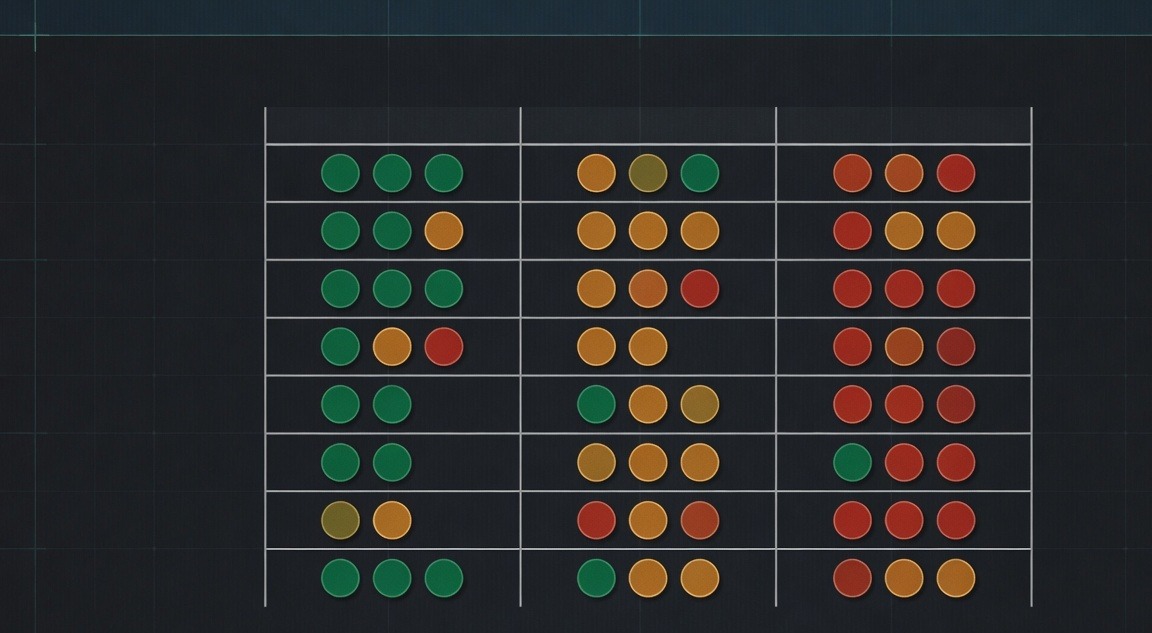
Instead, start with a platform-fit matrix. Score each platform on three factors: audience presence (are the people you want to reach actually there?), format match (does the platform reward what you make?), and sustainability (can you produce for it without dread?). Rate each factor green, yellow, or red. Only commit to platforms with at least two greens.
For most creators, two or three platforms is the right number. Text-first creators often choose Threads and LinkedIn. Visual creators lean toward Instagram and TikTok. The goal is concentration, not coverage. A strong presence on two platforms consistently outperforms a ghost presence on five.
If you already use a content strategy canvas or content pillars, your platform choice should flow from those decisions. Your pillars tell you what to talk about. Your platforms tell you where those conversations happen.
Set a Cadence Per Platform Using a Dial, Not a Number
Once you know where you're posting, the next question is how often. Advice on how often to post on Threads and other platforms is full of confident numbers: post three times a day, post five times a week, post once in the morning and once at night. These numbers come from large accounts with dedicated teams or from vendor studies optimized for engagement volume, not sustainability. Meta's own Threads Feed AI system documentation explains that ranking predictions focus on user signals like likelihood to reply and spend time, not posting frequency targets.
A better approach is the cadence dial. For each platform, define three levels: a floor (the minimum you'll post even on a bad week), a target (your normal operating cadence), and a ceiling (the most you'll post, reserved for good weeks or launches). The floor keeps you visible. The target is your sustainable rhythm. The ceiling prevents over-posting fatigue.
For text-first platforms like Threads, a common starting dial is floor 3 posts per week, target 1 per day, ceiling 2 per day. For LinkedIn, floor 2 per week, target 3 per week, ceiling 5 per week. These are starting points to test, not rules to follow. Adjust based on what your engagement data tells you after a few weeks.
The key principle: your floor should feel almost too easy. If your floor is ambitious, you'll miss it on busy weeks and feel like you've failed. A low floor maintains momentum. Your target is where the growth work happens. Your ceiling keeps you from burning out on a high-energy Tuesday and going silent for the rest of the week.
Build Your Weekly Grid
With platforms and cadence locked, build a weekly grid. This is the operational layer between your content pillars and your actual posts. It tells you what goes where on which day, without specifying the exact content (that comes during batching sessions).
Start with a simple 7-column, 3-row grid. Columns are days of the week. Rows are your chosen platforms. Each cell gets a content type, not a specific post. Content types come from your pillars: educational, behind-the-scenes, conversation starter, curated resource, personal story, product or service mention.
Map heavier content types to days when you have more creative energy. If Mondays are for deep work, put your educational post there. Save conversation starters for midweek when engagement patterns tend to shift. Put lighter content like curated links or quick thoughts on days when you're busy with other work.
The grid creates a repeating structure that removes daily decision fatigue. You always know what kind of post Tuesday needs. You never face a blank screen wondering what to share. When you batch content in focused sessions, you're filling known slots rather than inventing from scratch each day. You can adapt this into a Threads content calendar template by mapping each cell to a specific post type and drafting time slot.
Starting at maximum cadence on all platforms instead of building from a sustainable floor
Posting identical content across platforms without adapting to native formats
Scheduling posts at generic 'best times' instead of testing your audience's actual patterns
Never reviewing or adjusting the schedule after the first month
Abandoning the entire schedule after missing a few days instead of dropping to minimum cadence
Adapt One Source Into Platform-Native Versions
Writing separate posts for each platform is the fastest way to burn out on a multi-platform schedule. Instead, use a one-source adaptation workflow. Start with one core piece of content, then reshape it for each platform's native format.
Here's how it works for a text-first creator posting on Threads and LinkedIn. Your source is a 300-word insight from your area of expertise. For Threads, break it into a hook plus 3-4 short posts in a reply thread. For LinkedIn, expand it into a 150-word post with a question at the end. Same idea, different shapes. The insight does the heavy lifting once. The adaptation takes 10-15 minutes per platform.
The adaptation protocol has four steps. First, identify the core message in one sentence. Second, choose the format each platform rewards (Threads rewards conversation starters, LinkedIn rewards professional insights, Instagram rewards visual hooks). Third, rewrite the opening line for each platform's audience expectation. Fourth, trim or expand the body to fit the platform's natural length.
This approach means a single batching session can produce a full week of content across multiple platforms. You're not writing ten posts. You're writing two or three sources and adapting them into ten platform-native versions. That's the difference between a schedule that lasts and one that collapses by week four. Think of it as a cross-posting framework: the source message stays the same, but each platform gets its own voice. You can also use this method to repurpose content into multiple formats, turning one idea into posts, graphics, and even short videos.
Test and Adjust With a Four-Week Protocol
Your first schedule is a hypothesis, not a conclusion. To turn it into a system, run a four-week test. Each week, follow your grid exactly. At the end of each week, check four signals: per-post engagement (likes, replies, shares), reply ratio (how many comments versus passive likes), profile visits, and follower change.
Week one establishes your baseline. Don't change anything. Just follow the schedule and record the data. Week two, test posting times. If you normally post at 9 AM, try 2 PM on two days and compare engagement. Week three, test cadence. Post at your ceiling for three days and at your floor for three days. See which produces better engagement per post, not just more total engagement. Week four, test content types. Swap two days in your grid and see if the change moves the needle.
After four weeks, you'll have enough data to make informed adjustments. The goal is not to find the perfect schedule. It's to find the schedule that produces the best results for the effort you can sustain. If posting once a day on Threads gets you 80% of the engagement of posting twice a day, the lower cadence is the right answer.
Track these signals using your platform's native analytics. Threads Insights shows views, replies, and reposts. LinkedIn Analytics shows impressions, engagement rate, and profile visits. You don't need a third-party dashboard for this. You need consistent tracking and honest comparison. When you read your Threads analytics alongside other platform dashboards, patterns emerge that no tool can surface for you. For deeper timing analysis, follow a posting-time test protocol rather than relying on universal averages. Your audience's behavior is specific to your niche, time zone, and content type.
Common Posting Schedule Mistakes That Waste Your Grid
Even with a solid framework, certain patterns sabotage posting schedules. Recognizing them early saves weeks of wasted effort.
The first mistake is starting too ambitious. A schedule that requires daily posting on three platforms from day one will fail. Start at your floor everywhere. Build to your target on one platform first. Expand only after that platform feels automatic.
The second mistake is treating all platforms equally. Threads rewards conversation. LinkedIn rewards professional insight. Instagram rewards visual storytelling. If you post identical content across all three, you'll underperform on all three. Adaptation is not optional.
The third mistake is ignoring energy cycles. If you're a morning person, schedule your most creative posts for mornings. If you're sharper midweek, front-load your grid. A schedule that fights your natural rhythm is one you'll abandon. The fourth mistake is never adjusting. Your first schedule is a draft. If you run it for three months without changes, you're either very lucky or not paying attention. Review every four weeks and adjust based on what the data shows. The fifth mistake is confusing consistency with rigidity. If life happens and you miss a day, drop to your floor, don't abandon the schedule entirely. Consistency means showing up regularly, not perfectly. Build recovery into your system from the start using a consistency system for creators that treats missed days as data, not failure.
Action checklist
Use this as the practical next pass after reading the guide.
- +Score your platforms using the platform-fit matrix (audience presence, format match, sustainability)
- +Set floor, target, and ceiling cadence for each chosen platform
- +Build a 7-day weekly grid mapping content types to days and platforms
- +Write a one-source adaptation workflow for your top two platforms
- +Run a four-week test tracking per-post engagement, reply ratio, profile visits, and follower change
- +Adjust your grid based on test data, then lock it for the next month
Conclusion
A social media posting schedule is not a template you download. It's a system you build from your platforms, your cadence capacity, and your content patterns. The framework here gives you the structure: a platform-fit matrix to choose where to post, a cadence dial to decide how often, a weekly grid to organize what goes where, and a test protocol to validate and improve.
The schedule that works is the one you follow. Start small, test honestly, and adjust based on real data. If you want a tool to draft and schedule your Threads posts once your grid is built, you can try the free Threads post creator to speed up the writing step.
Remember that the best posting schedule is not the one that maximizes output. It's the one that fits your life, serves your audience, and produces enough signal to keep improving.