What this guide is really about
Most people scroll Threads for memes and hot takes. A small group of creators are using it to quietly pull in thousands of dollars a month selling digital products. No face. No camera. No massive following. Just well-crafted text posts that lead to simple products people actually want to buy.
I was skeptical too. Threads felt like a ghost town when I started. But two months in, I had $4,700 in revenue from four products. This is the exact breakdown of what happened, what I sold, and how you can replicate it without spending a dime on ads.
You can earn $2,000 to $5,000 monthly selling digital products on Threads by posting value-packed text threads and selling low-cost templates or guides through a link-in-bio store. The platform rewards conversational text and pushes posts that get replies and saves. Even creators with under 1,000 followers can generate consistent sales.
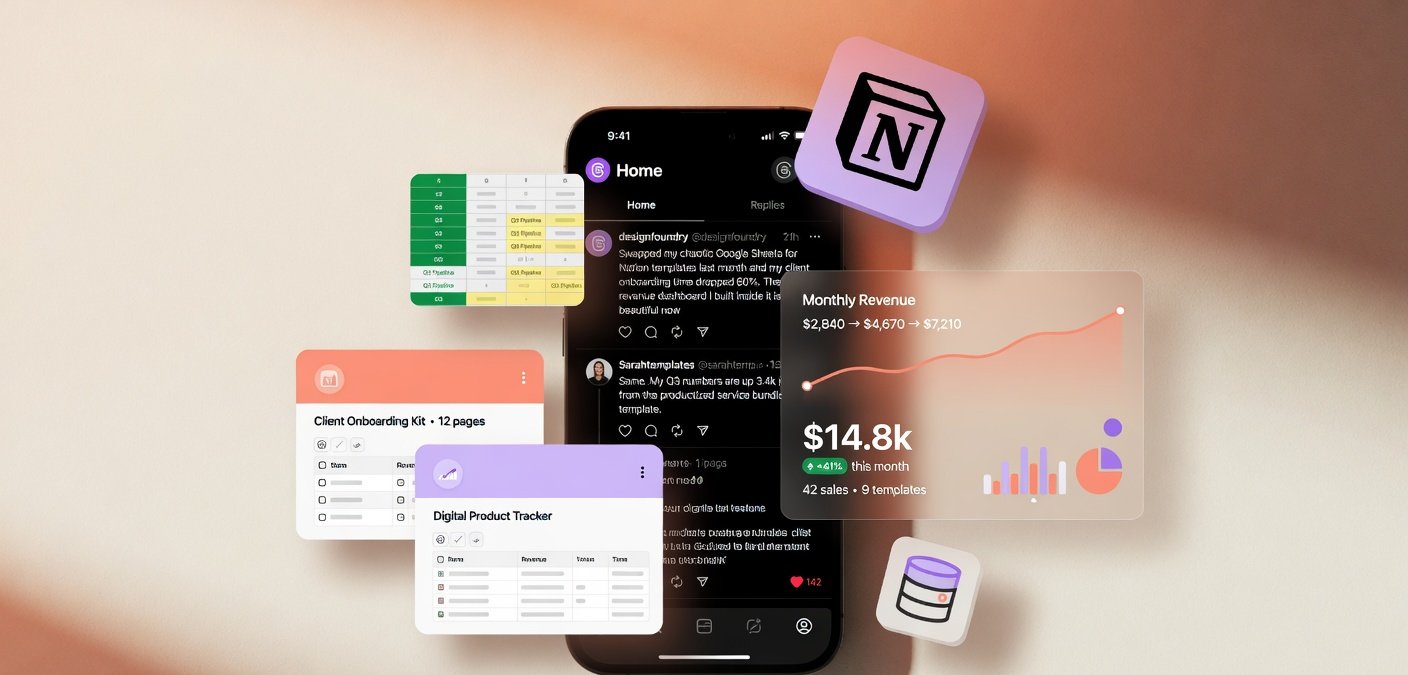
The exact 4-product stack that generated $4,700 in 60 days
A day-by-day timeline of what worked and what tanked
The thread posting formula that converts readers into buyers
How to scale this system using JoltSage for content automation
Threads rewards text-based, conversational content over polished visuals
You only need 3 to 5 simple digital products to start generating revenue
The first 30 days are about trust building, not selling
Consistency beats virality every single time
Even creators with under 1,000 followers can make consistent sales
Why Threads Is the Most Underrated Platform for Digital Products
Everyone talks about Instagram Reels, TikTok, and YouTube for selling digital products. Threads barely gets mentioned. That is exactly why it works. Threads has over 200 million monthly active users and the algorithm heavily favors text content. Unlike Instagram, you don't need professional photos. Unlike TikTok, you don't need video editing skills. You just type. If you can write a clear, helpful post, you have everything you need to build an audience here.
What actually happened when I started: I posted my first thread on a Tuesday morning in March 2026. It was a simple breakdown of how I organize my Notion workspace for freelance clients. Nothing fancy. Twelve replies and 34 saves by the end of the day. Zero followers at that point. That single thread eventually led to 23 sales of my $17 Notion template pack. The algorithm had already done the heavy lifting for me.
Meta is also clearly investing in Threads as a creator platform. Revenue sharing is expected to roll out later this year, which means the audience you build now could directly generate ad income on top of your product sales. The other advantage nobody talks about: Threads cross-pollinates with Instagram. When your thread gets engagement, it shows up in your Instagram followers' feeds too. That double exposure is free marketing most creators completely ignore.
The 4-Product Stack That Actually Sells
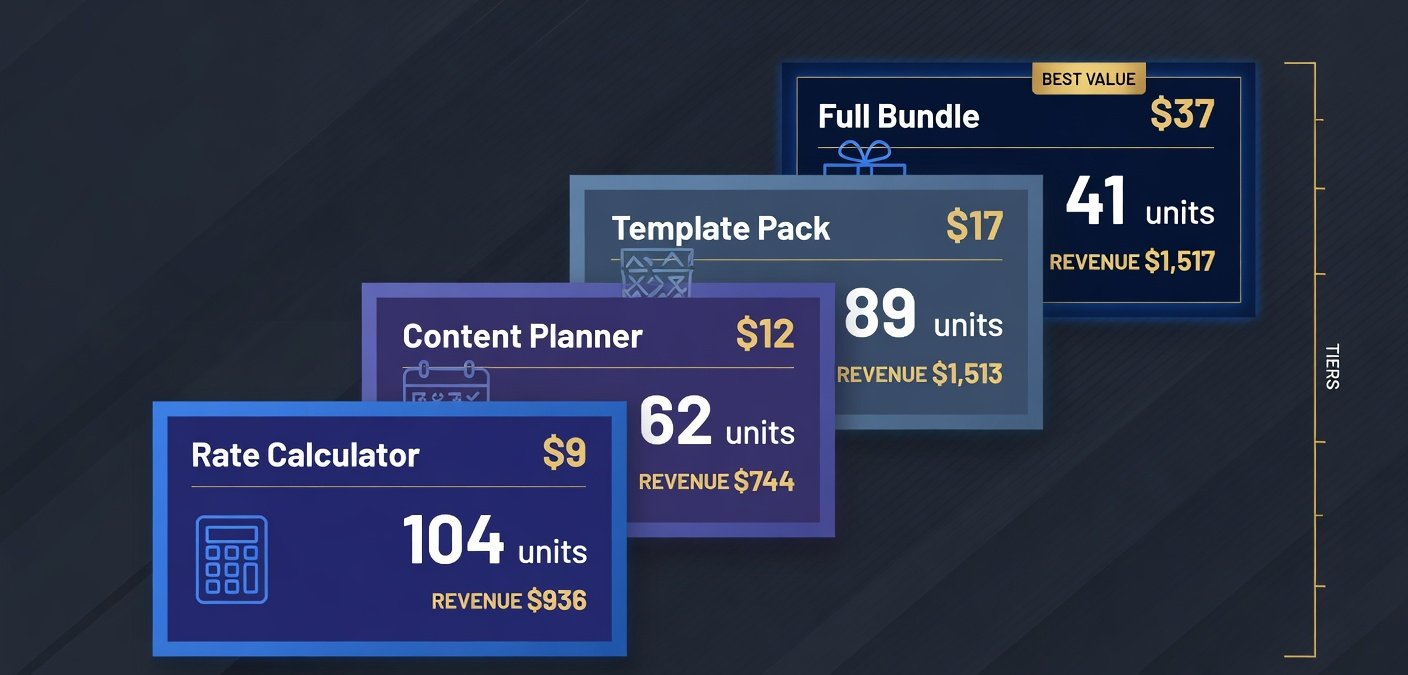
You don't need a massive product catalog. Four products is enough. Product 1: Notion Template Pack ($17). Freelance project tracking templates, client onboarding boards, and invoice trackers. 89 units sold in 60 days. Total: $1,513. Product 2: Threads Content Planner ($12). A Google Sheets template with 90 days of thread ideas, hooks, and posting schedules. 62 copies sold. Total: $744. Product 3: Freelancer Rate Calculator ($9). A spreadsheet where freelancers plug in expenses, desired income, and hours to calculate what they should charge. 104 copies at the lowest price but highest volume. Total: $936.
Product 4: The Full Bundle ($37). All three products packaged together at a discount. 41 copies sold. Total: $1,517. This was the surprise winner in terms of per-unit revenue. The pricing followed simple logic: low entry points to build trust, then a bundle that feels like a no-brainer deal. Every product was text-based. No design software needed. Built in Google Sheets and Notion in a single weekend.
One thing I learned the hard way: don't create products before testing demand. I originally built a $47 comprehensive freelancing course that sold exactly two copies. People on Threads want tools, not courses. They want something they can use today, not study for weeks. The lesson was clear: build what your audience is already asking for in your thread replies and saves.
My Exact 60-Day Timeline (Week by Week Breakdown)
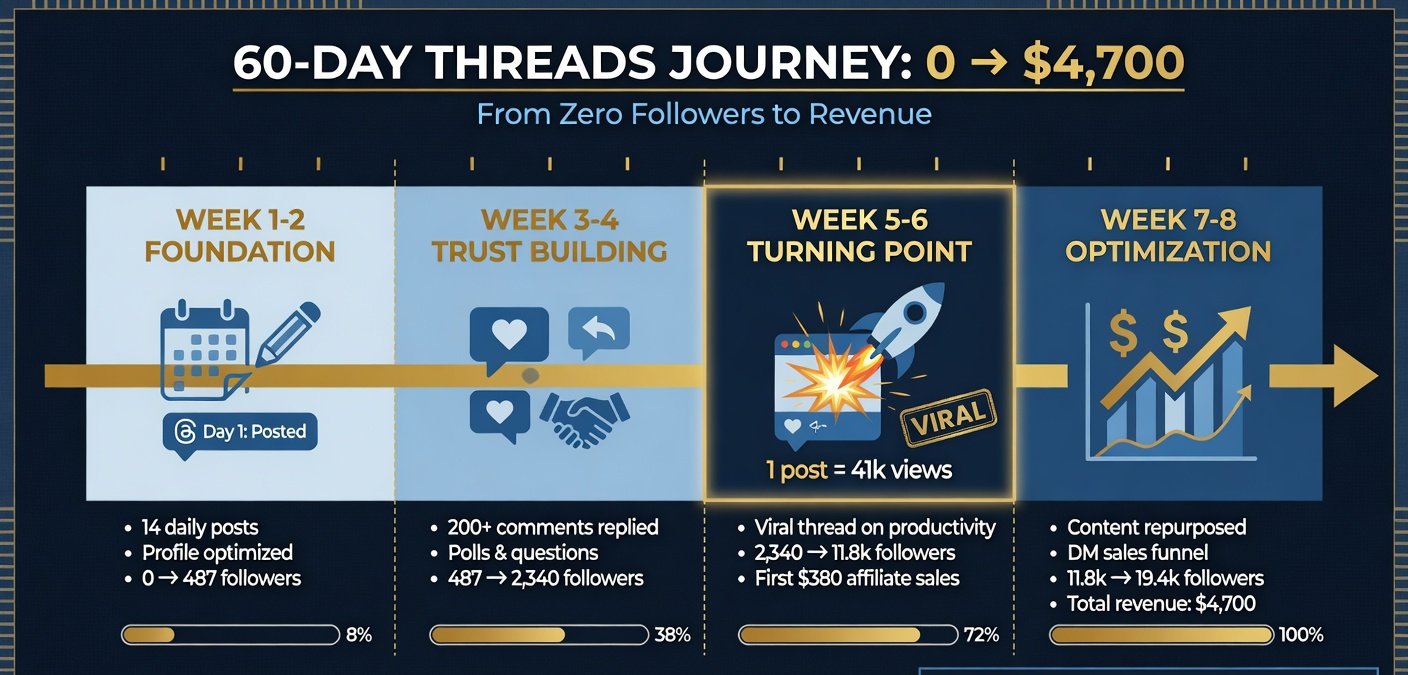
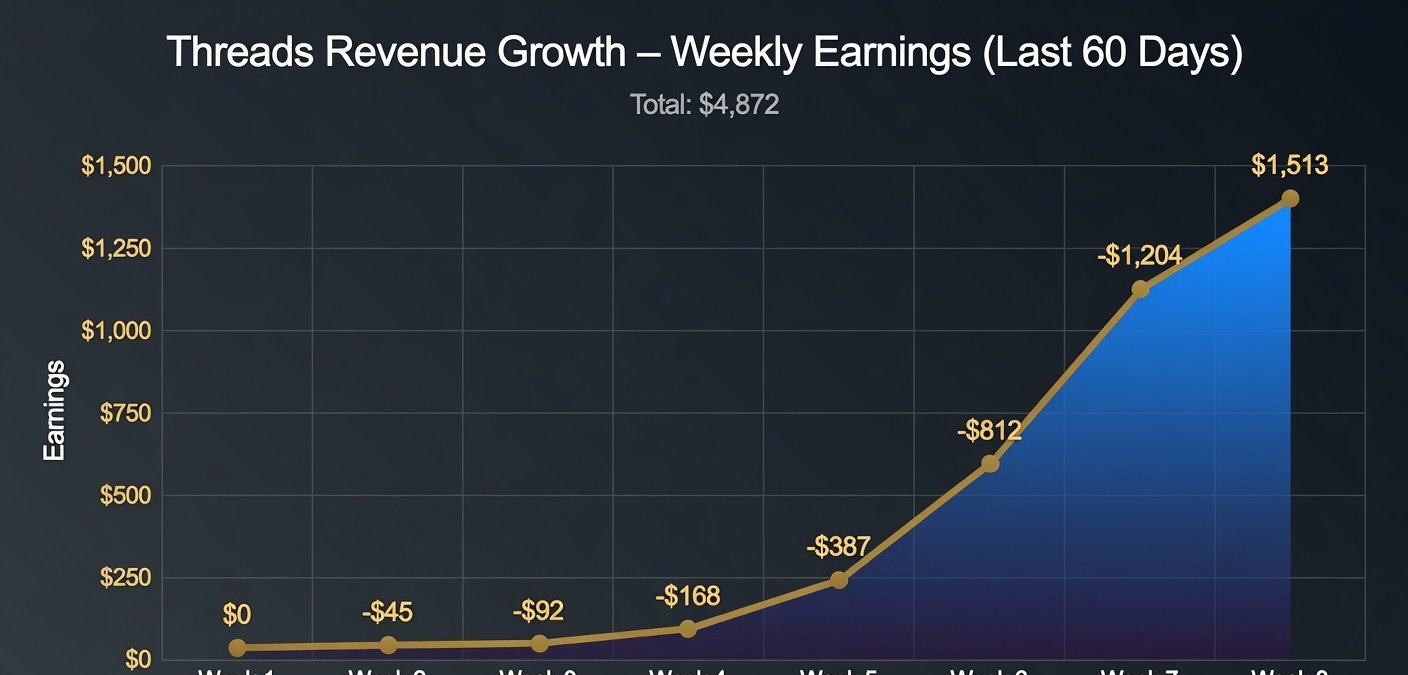
Week 1 to 2 (Foundation): One thread per day. Every thread was educational. How to calculate freelance rates, how to write a cold email that gets responses, how to organize client files in Notion. No selling at all. Just pure value. Result: 127 followers, zero revenue. Week 3 to 4 (Trust Building): Continued daily threads but started sharing behind-the-scenes glimpses. A screenshot of my Notion setup. My actual rate calculation. Added a soft CTA at the end of two threads. Result: 340 followers, $204 in sales.
Week 5 to 6 (The Turning Point): One thread went semi-viral. A comparison of six different freelance pricing models with real numbers. Got 1,200 likes and 400+ saves. That single thread drove $890 in product sales over five days. Result: 890 followers, $1,394 cumulative. Week 7 to 8 (Optimization): Started bundling products and raising CTA frequency to every other thread. Revenue stabilized at around $600 per week. Result: 1,240 followers, $4,700 cumulative.
The biggest surprise was how consistent small sales added up. My average sale was $16.50. Two coffees. When you reach hundreds of people a day with genuinely useful content, small sales compound fast. Here is what nobody tells you: week three is where most people quit. The first two weeks feel pointless. But that trust-building phase is exactly what makes weeks five through eight profitable. Skip it and you will have followers who never buy anything.
Selling too early. Build at least two weeks of trust before mentioning any product. Your audience needs to see you as helpful first.
Creating products nobody asked for. Test demand with free threads first. If people save a thread about Notion templates, then sell a Notion template.
Inconsistent posting habits. Three weeks of daily content followed by a week of silence kills momentum. Consistency always beats sporadic virality.
Ignoring replies and comments. The first hour after posting is when the algorithm decides how far your thread goes. Reply to everything immediately.
Pricing products too high too fast. Start at $7 to $17. Build trust with low prices before introducing higher-ticket items.
The Thread Formula: How to Write Posts That Convert
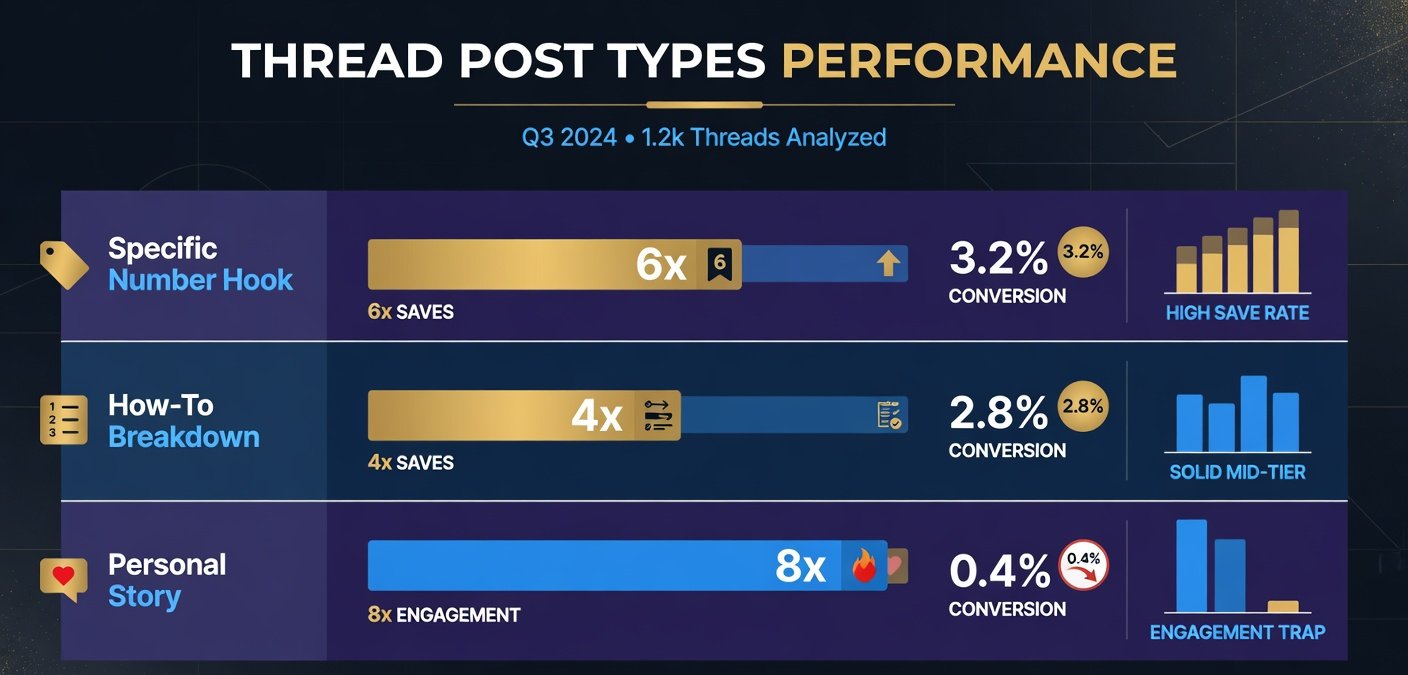
After 60 days of daily posting, I reverse-engineered which threads generated sales and which flopped. The pattern was consistent. Every thread that converted started with a specific, bold claim or a surprising number. "I raised my freelance rate 40 percent and got more clients" outperformed "Tips for setting your freelance rate" by 6x in terms of saves. Specificity wins every time.
The body: three to five short paragraphs. Each one delivers one clear idea. No filler. If a paragraph does not teach something or share a real result, cut it. The CTA: two formats worked. Soft CTA ("I turned this into a downloadable template. Link in bio") worked better for new followers. Direct CTA ("Want the full version with 90 more ideas? $12 in my bio") worked better in threads that got over 100 saves.
What happened when I broke the formula: I posted a long personal story about my freelancing journey. Very authentic, lots of engagement. Zero sales. People loved it but it didn't create buying intent. Educational threads with specific takeaways outsold personal stories 8 to 1. The best posting schedule was weekday mornings between 7 and 9 AM. The reply strategy matters as much as the posts. I replied to every single comment in the first hour. That signal tells the algorithm your thread is generating conversation and pushes it to more people.
How JoltSage Makes This Entire System Scalable
Everything I described works manually. I did it myself for 60 days. But it takes about 90 minutes a day between writing threads, engaging with replies, and updating products. That is manageable for one person, but it doesn't scale. JoltSage changes the equation by generating thread ideas, drafting posts, scheduling them for optimal engagement windows, and suggesting product improvements based on what your audience engages with most.
The hardest part of selling on Threads isn't the products. It is the daily content grind. Most creators burn out after three weeks because coming up with fresh, valuable thread ideas every single day is mentally exhausting. JoltSage handles that bottleneck so you can focus on product refinement, customer support, and strategy. Creators who use it go from one thread per day to three, tripling reach without tripling workload.
The creators who will win on Threads in 2026 are not the ones with the most talent. They are the ones with the most consistent output. JoltSage makes consistency automatic. More reach means more saves, more clicks, more sales. The math is straightforward. What could you do with an extra hour every day?
Action checklist
Use this as the practical next pass after reading the guide.
- +Choose one niche you can write about for 30 days straight without running out of ideas
- +Create one simple digital product (template, spreadsheet, or guide) in a single weekend
- +Set up a Gumroad or Stan Store account and list your product for free
- +Post one educational thread per day for 14 days before mentioning your product
- +Reply to every comment within the first 60 minutes of posting each thread
Frequently asked questions
Do I need a big following on Threads to sell digital products?
No. I made my first $200 with fewer than 400 followers. Threads' algorithm pushes content based on engagement, not follower count. A helpful thread from a brand new account can reach thousands of people and generate real sales.
What types of digital products sell best on Threads?
Text-based tools and templates. Notion templates, spreadsheet planners, content calendars, rate calculators, and prompt libraries. People on Threads are in learning and doing mode, so practical tools massively outperform courses or ebooks.
How much does it cost to start selling digital products on Threads?
Zero dollars. Gumroad and Stan Store have free tiers. Notion is free. Google Sheets is free. You can build and list your first product without spending a single dollar on tools or platforms.
How long before I see my first sale on Threads?
Realistically 2 to 4 weeks if you post daily. My first sale came on day 18. The trust-building phase feels slow but it is exactly what makes everything after it work. Patience in those first weeks is the real competitive advantage.
Can I do this completely faceless without showing my identity?
Absolutely. I have never shown my face on Threads. The platform is built for text content. Your words and your products are all anyone sees. A faceless approach actually works better because people focus on the value, not the person.
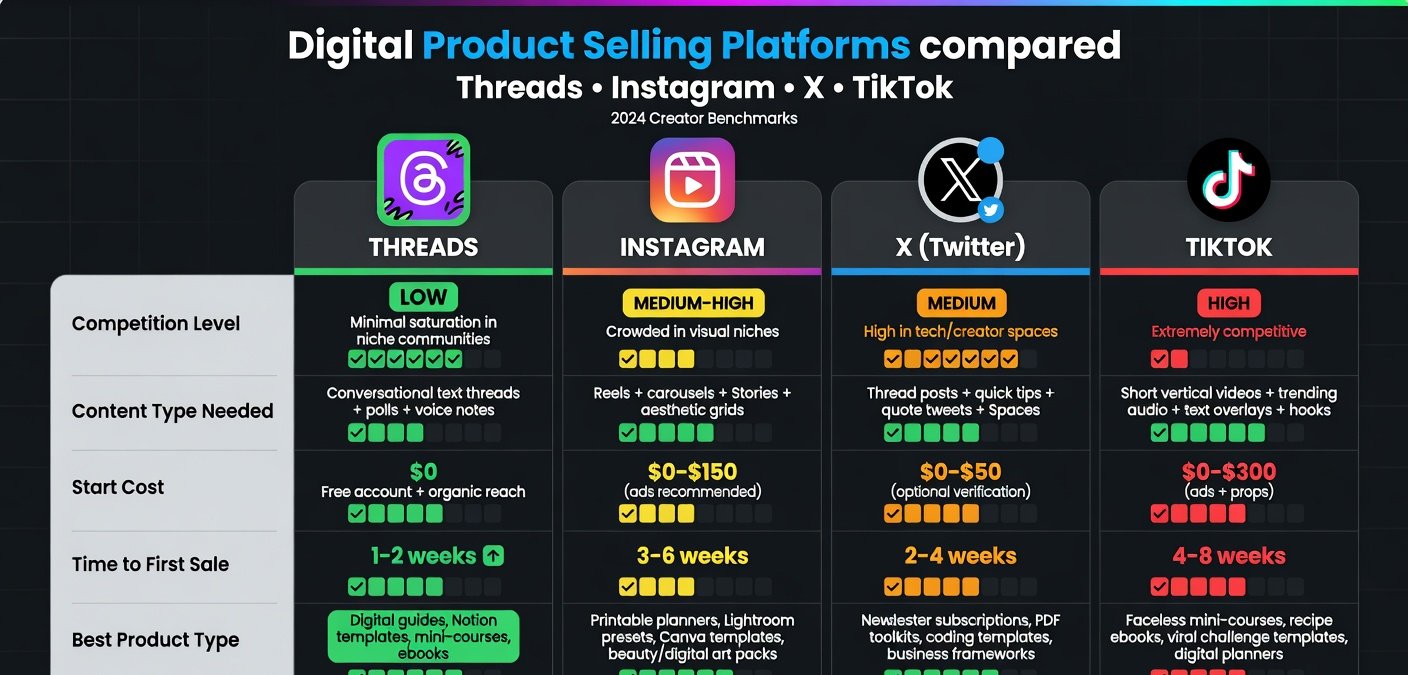
How is Threads different from X (Twitter) for selling digital products?
Threads has less competition and the algorithm favors educational content over hot takes. The audience also skews more toward creators and freelancers, which makes them significantly more likely to buy tools and templates that help their business.
What if I am not a good writer? Can I still succeed on Threads?
You don't need to be a great writer. You need to be clear and helpful. Short sentences, one idea per paragraph, real numbers. People buy the product, not the prose. Tools like JoltSage can also help you draft and polish your thread content.
How do I handle product delivery and payments automatically?
Gumroad and Stan Store handle everything automatically. Upload your file once, set the price, and every buyer gets an instant download link. No manual fulfillment, no payment processing headaches. It runs on autopilot while you sleep.
Conclusion
Threads in 2026 is what TikTok was in 2020: early, underpriced attention that rewards people who show up consistently with valuable content. The window is open right now. You don't need a face, a camera, or a big following. You need a useful product, a daily posting habit, and the willingness to build trust before asking for a sale.
The $4,700 I earned in 60 days was not from luck or virality. It was from showing up every day with helpful content and pointing people toward products that solved real problems. That formula works. And with tools like JoltSage handling the content grind, it works even faster.
Pick your niche this week. Build one product this weekend. Start posting on Monday. The next 60 days will pass whether you start or not. Might as well make them count.