What this guide is really about
Most people scroll Threads for entertainment. A small group of creators treat it like a sales machine that prints money while they sleep. They do not show their face. They do not record videos. They type out valuable threads, drop a link, and watch the notifications roll in.
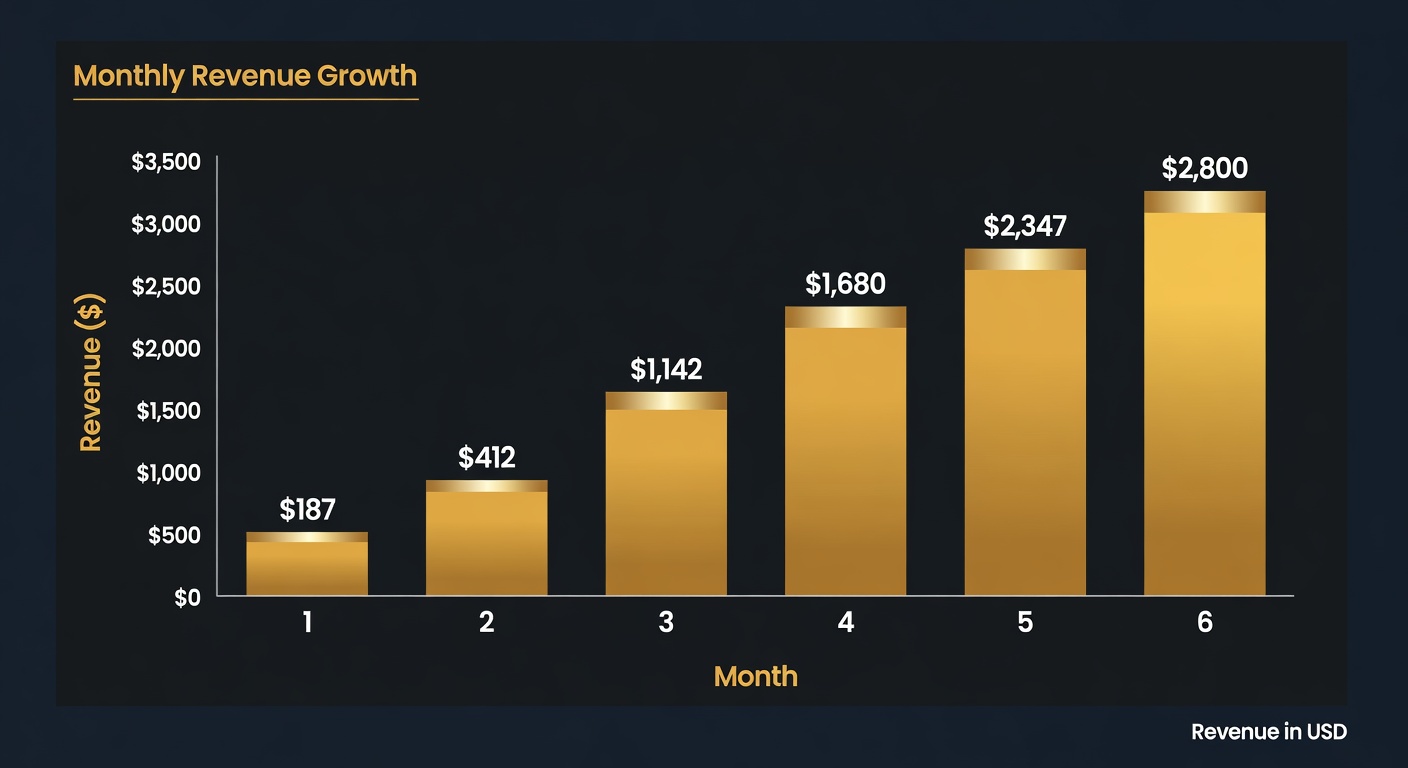
I talked to a creator named Mara who started selling text-based digital products on Threads in November 2025. Her first month she made $187 from a single $9 ebook. Six months later she crossed $2,800 in a single month. All from products that took her less than ten hours to create.
This is not a hype story. This is the real breakdown of how text-based digital products work on Threads, what actually sells, and the exact steps you can follow to start this week.
You can make $2,000 to $3,000 per month selling text-based digital products on Threads by creating simple PDFs like ebooks, templates, and guides priced between $7 and $27, then promoting them through value-packed threads that drive traffic to Gumroad or Etsy. No video, no face, no inventory needed.

The 3 text-based product types that sell best on Threads right now
A real month-by-month revenue breakdown from an actual creator
The exact thread posting formula that converts readers into buyers
Pricing strategy that maximizes both volume and profit per sale
Text-based digital products (ebooks, templates, guides) are the lowest-barrier entry point for making money on Threads because they require zero design skills and zero inventory.
Threads' algorithm actively pushes long-form text content, giving your threads 10x more organic reach than image posts on competing platforms.
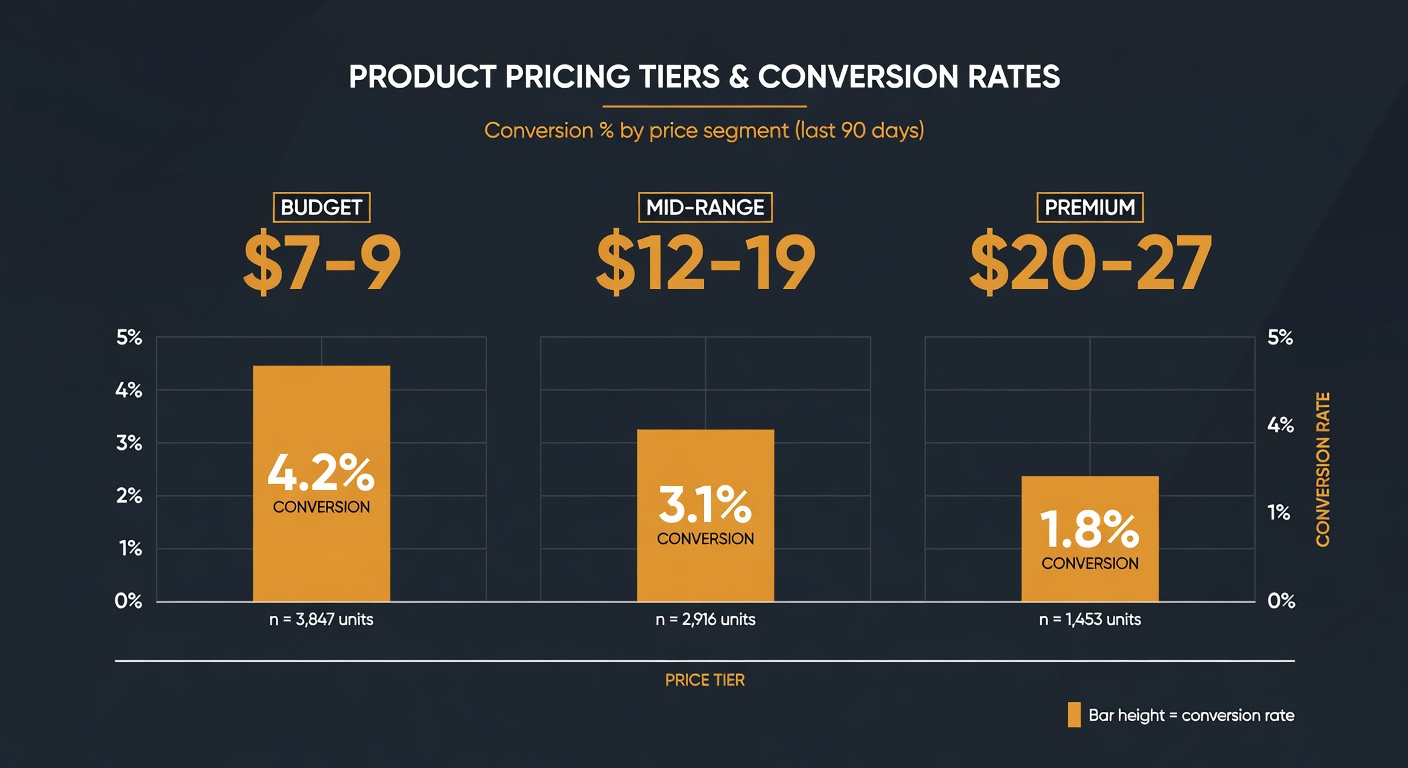
Pricing between $7 and $27 is the sweet spot. Budget products at $7 to $9 convert at 4% while premium products at $20 to $27 convert at under 2% but earn more per sale.
Consistency beats quality. Posting 3 to 5 value threads per week generates compound traffic that turns into predictable monthly revenue within 90 days.
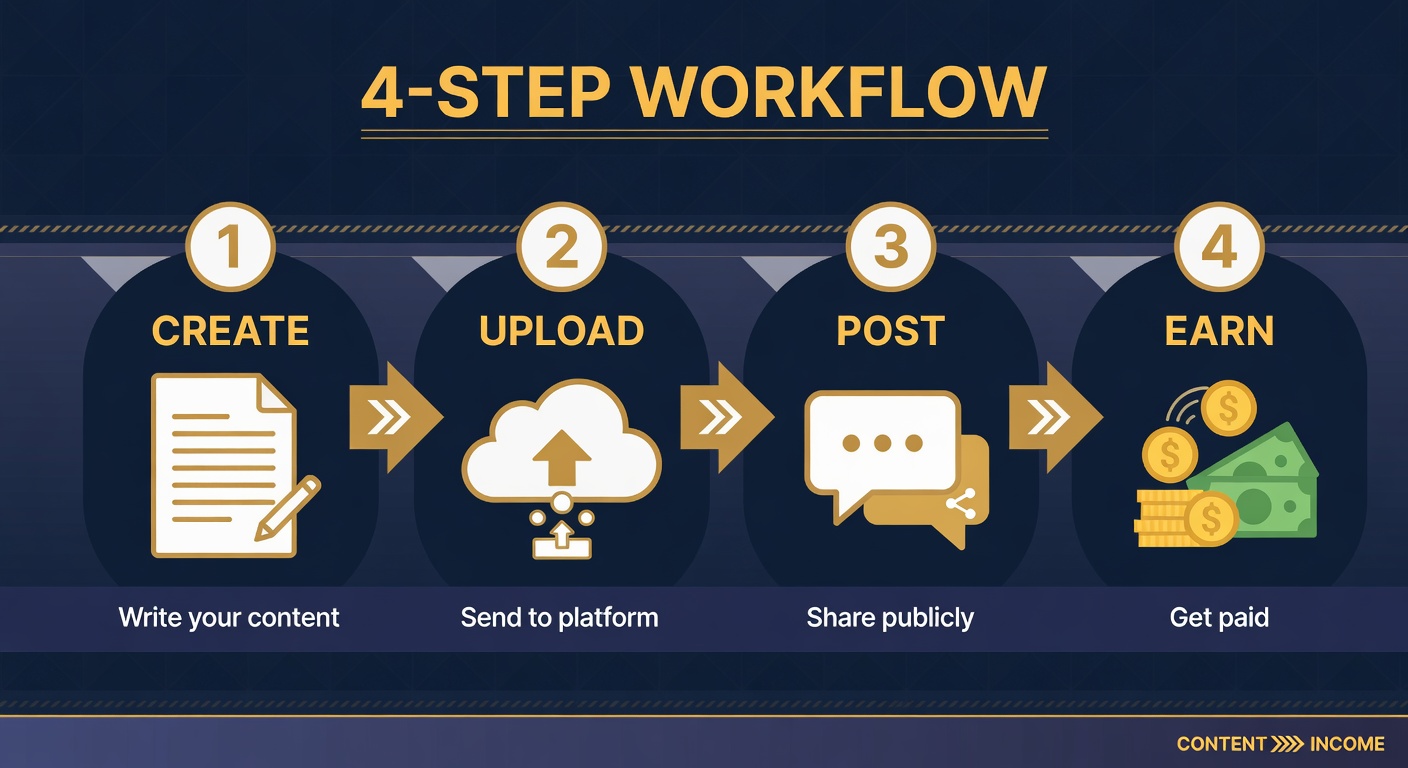
The entire business runs on a phone. You write in Google Docs, sell on Gumroad, and promote on Threads. Total tool cost is under $15 per month to start.
What Are Text-Based Digital Products and Why Threads Loves Them
Text-based digital products are simple downloadable files that solve one specific problem. Think ebooks, Notion templates exported to PDF, fill-in-the-blank content calendars, caption swipe files, and step-by-step guides. No design software needed. No video editing. You write them in Google Docs, export to PDF, and upload to Gumroad or Etsy.
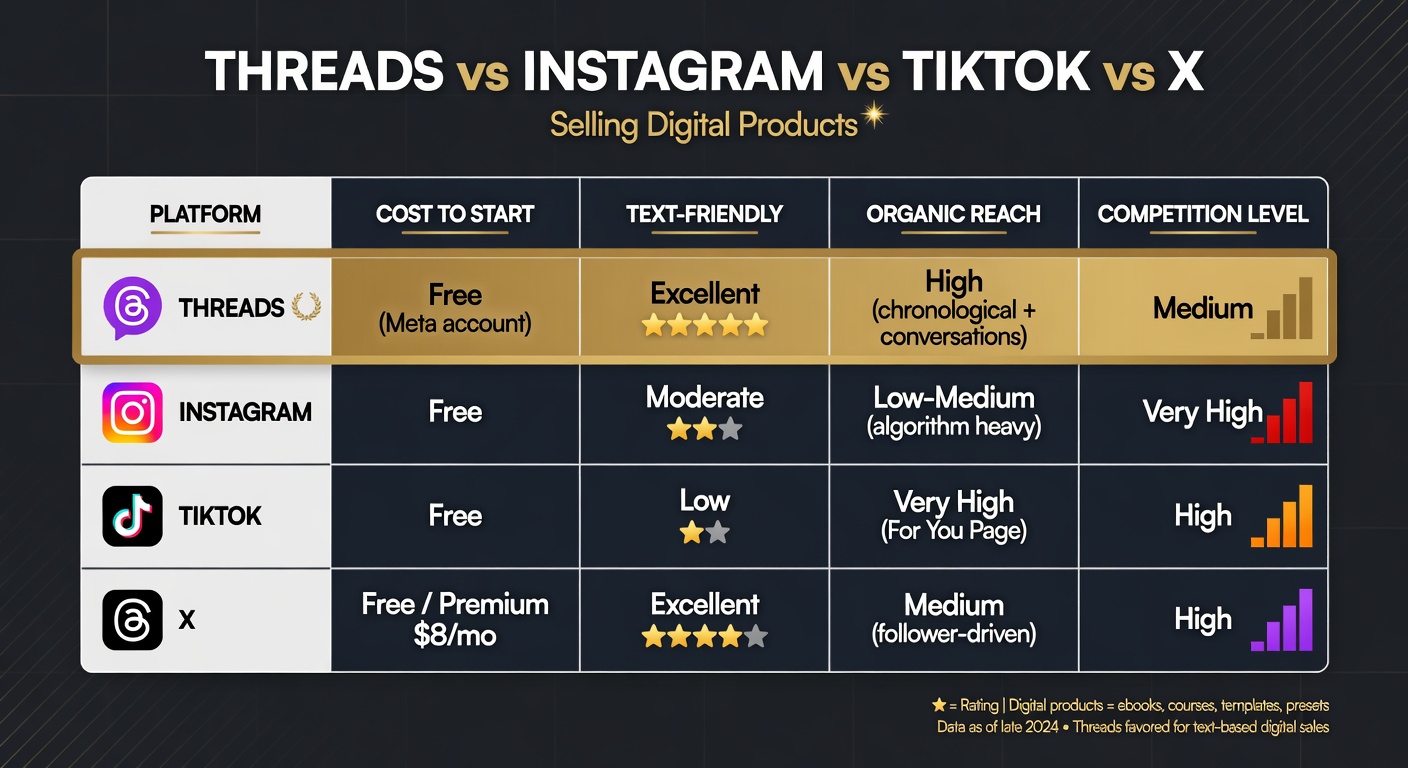
Here is why Threads is the perfect platform for selling them right now. The Threads algorithm in 2026 heavily favors long-form text posts. Value-packed threads regularly hit 30,000 to 50,000 views with accounts that have fewer than 1,000 followers. That kind of organic reach is basically impossible on Instagram or TikTok without paying for ads or having an established audience.
Mara told me her very first thread about content planning got 41,000 views. She had 230 followers at the time. That thread generated 87 clicks to her Gumroad page and converted 12 people into buyers at $9 each. That is $108 from a single text post that took her twenty minutes to write. No video, no design, no ad spend.
The key insight is that Threads users are already in a reading mindset. They open the app to consume text. When your thread delivers genuine value and ends with a soft pitch, the conversion feels natural instead of pushy.
The Three Product Types That Actually Sell
Not all digital products perform equally on Threads. After analyzing dozens of successful creators and talking directly with Mara, three product categories consistently outperform everything else. Each one plays to the strengths of a text-first audience.
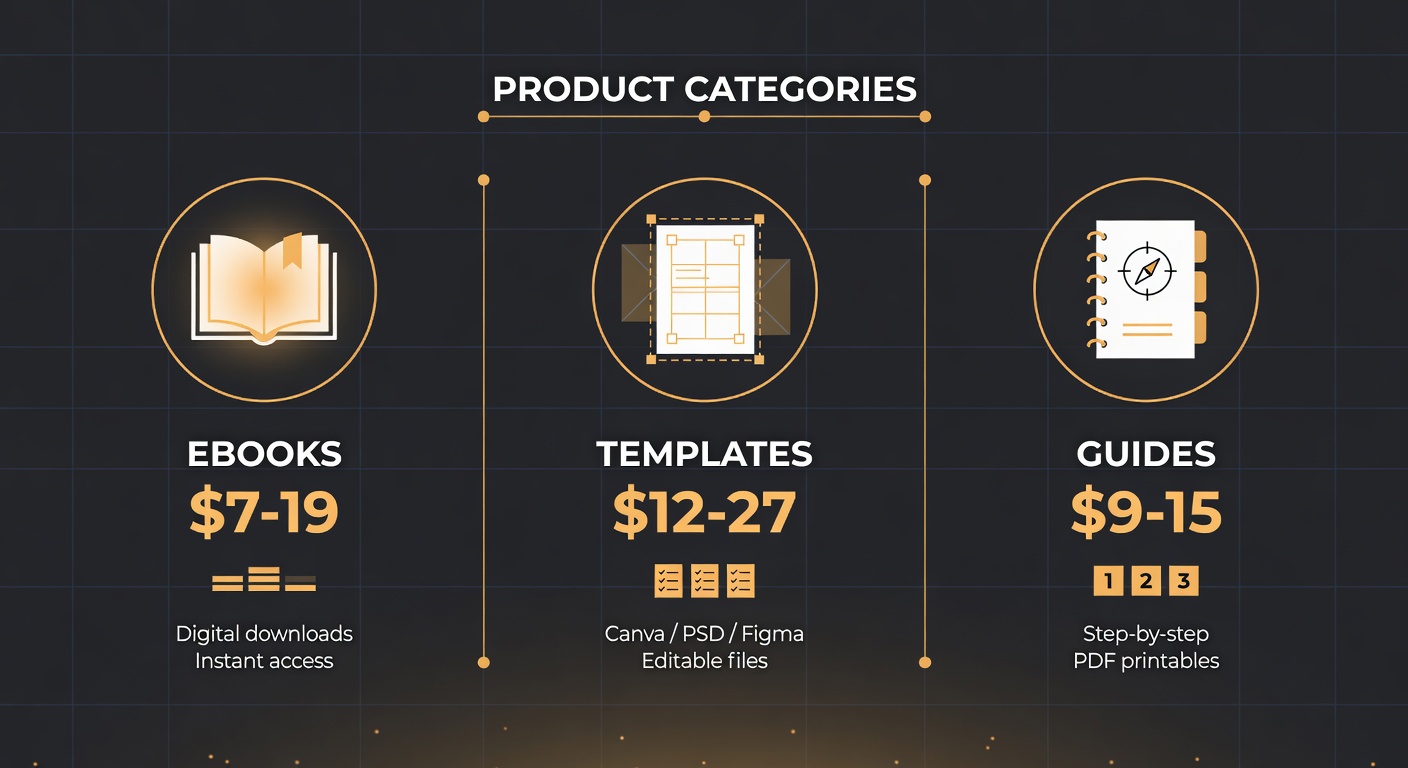
The first category is practical ebooks. These are short, focused PDFs that solve one specific problem in 15 to 30 pages. Examples include a 30-day side hustle action plan, a beginner guide to email marketing, or a weekly meal prep blueprint. Price range is $7 to $19. Mara's best seller is a $9 "Content Ideas for Busy Creators" guide that has sold over 400 copies since she launched it.
The second category is templates and swipe files. Notion-style life planners, content calendars with pre-filled caption ideas, email outreach templates, and budgeting spreadsheets. These sell for $12 to $27 and have the highest perceived value because buyers feel like they are getting a done-for-you system rather than just information.
The third category is worksheet and challenge packs. Think 30-day habit trackers, fill-in-the-blank business plan worksheets, or weekly reflection journals. These are priced at $5 to $12 and work great as entry-level products that get people onto your buyer list. Once someone buys a $7 product from you, they are three times more likely to buy your $27 template later.
Real Revenue Breakdown: Month by Month
Let me walk you through Mara's actual numbers because the growth pattern is repeatable. She started in November 2025 with one product, a $9 content ideas ebook. No audience. No email list. Just Threads posts.
Month one she made $187 from 21 sales. Month two jumped to $412 after she added a $15 content calendar template. Month three crossed four figures at $1,142 because she posted her first viral thread that hit 63,000 views and added a third product, a $19 writing prompts guide. Month four was $1,680. Month five hit $2,347. And month six she earned $2,804.
What is interesting is that her traffic did not grow linearly. She hit patches where Threads seemed to suppress her content for weeks. But her revenue kept climbing because she was building a library of products. Old threads kept getting rediscovered. Old buyers came back for new products. The compound effect is real.
By month six, her revenue split looked like this. About 45% came from the original $9 ebook, 35% from the $15 template, and 20% from the $19 guide. The cheapest product was still her top earner because it had the most sales volume and the most Threads posts driving traffic to it.
Creating products before testing demand. Write a thread about your topic first. If it gets engagement, then build the product. If it flops, pivot before wasting hours on a PDF nobody wants.
Pricing everything at $47 or higher because you think it sounds premium. Threads audiences convert best at $7 to $27. Start low, build trust, then add premium offers later.
Posting only pitch threads with no value content in between. If every thread ends with a link, people stop clicking. Keep the 60/40 ratio of pure value to soft pitches.
Trying to sell on five platforms at once. Master Threads first. It has the best organic reach for text content in 2026. Expand to other platforms only after you have a proven system.
Ignoring old threads. Your threads from two months ago can still get rediscovered and drive sales. Pin your best performing thread and occasionally repost updated versions of your top content.
The Thread Formula That Converts Readers Into Buyers
You cannot just post a link and expect sales. The creators who make real money on Threads use a specific thread structure that builds trust before asking for the sale. Mara calls it the Value-First Thread Method and it looks like this.
Start with a hook line that includes a number and a promise. Example: "I went from $0 to $2,800/month selling products I made in Google Docs. Here is the exact breakdown." Then deliver 8 to 12 posts of pure value. Share real numbers. Share mistakes. Share the specific tools you use. Each post should feel like a mini lesson.
The final two posts are the soft pitch. Post 11 says something like "If you want the complete step-by-step template I used, I put it together as a downloadable PDF." Post 12 is the link with a one-sentence description. No hard sell. No urgency tricks. Just a natural bridge from the value you just gave to the product that goes deeper.
Mara posts 3 to 5 of these threads per week. Not all of them pitch a product. About 60% are pure value with no link. The other 40% include the soft pitch. This ratio keeps her audience engaged without feeling sold to. She also replies to big accounts in her niche with genuinely helpful tips, which drives profile visits and organic followers back to her own threads.
Pricing Strategy: Finding the Sweet Spot
Pricing is where most beginners leave money on the table. They either price too low and work for pennies, or price too high and get zero sales. Through trial and error, Mara landed on a tiered pricing model that works consistently for text-based products on Threads.
Budget tier products priced at $7 to $9 convert at roughly 4.2% of page visitors. Mid-range products at $12 to $19 convert at about 3.1%. Premium products at $20 to $27 convert at around 1.8%. Here is the math that matters. At $9 and 4.2% conversion, every 100 Gumroad visitors earn you about $37.80. At $27 and 1.8% conversion, every 100 visitors earn you about $48.60. The premium product earns more per visitor but the budget product builds your buyer list faster.
The smartest approach is to start with a $7 to $9 entry product to maximize conversions and build your customer base. Then add a $15 to $19 mid-range product as your second offering. Finally, launch a $25 to $27 premium template or bundle once you have an established audience. Mara found that her premium template actually sells better when it is positioned as the complete version of her budget ebook.
One more thing about pricing. Never offer discounts early on. A $9 product at full price builds more perceived value than a $15 product constantly on sale for $9. People respect consistent pricing and it makes your future product launches feel more trustworthy.
Your Step-by-Step Launch Plan
Here is the exact sequence to follow if you want to replicate this model. You can go from zero to your first sale in under a week if you execute consistently. Day one is about picking your problem. Choose one specific problem you have solved in your own life. Budgeting. Content planning. Morning routines. Job searching. Meal prep. Anything that has a clear before and after story.
Day two and three are for creating your product. Open Google Docs. Write a 10 to 20 page guide that walks someone through your solution step by step. Include checklists, examples, and at least one fillable template section. Export as PDF. Upload to Gumroad with a clean product page and a two-sentence description that names the specific outcome.
Day four is for writing your first three threads. Thread one is your origin story, how you solved the problem and what changed. Thread two is a mini tutorial sharing three tips from your guide. Thread three is a behind-the-scenes look at your process or tools. Each thread should be 8 to 12 posts and the third one includes your soft pitch.
Days five through seven are about consistency and iteration. Post one thread per day. Reply to five big accounts in your niche with genuinely helpful comments. Track which threads get the most impressions and double down on those topics. By the end of week one you should have your first few sales and a clear signal about what your audience wants more of.
How JoltSage Makes This Entirely Scalable
Doing this manually works. But it limits you. You can only write so many threads per week. You can only track so many product performance metrics in your head. That is where JoltSage comes in. It takes the exact model I just described and automates the repetitive parts so you can scale from $2,800 to $10,000 per month without burning out.
JoltSage helps you research which topics are trending on Threads right now, so you always create products people are actively searching for. It generates thread outlines based on your products, saving you the hardest part of the writing process. It schedules your posts for optimal engagement windows. And it tracks which threads drive the most clicks and sales so you can double down on what works and stop wasting time on what does not.
The creators who are scaling past $5,000 per month all have one thing in common. They stopped treating this like a side hustle and started running it like a system. JoltSage is that system. You still create the products. You still write the threads. But the research, scheduling, and analytics run on autopilot in the background.
Action checklist
Use this as the practical next pass after reading the guide.
- +Pick one specific problem you have personally solved and can teach others
- +Write a 10 to 20 page PDF guide in Google Docs and export it
- +Upload to Gumroad with a clean product page and price it at $7 to $9
- +Write your first three value threads using the 8 to 12 post format
- +Post one thread per day and reply to five big accounts daily for the first week
- +Track impressions and sales after seven days and double down on what works
Frequently asked questions
Do I need a large Threads following to start selling digital products?
No. Mara had 230 followers when she made her first $108 from a single thread. Threads pushes valuable text content to people who do not follow you. Focus on thread quality, not follower count. Your first 1,000 followers should come naturally from posting good content consistently.
What tools do I need to create and sell text-based digital products?
You need Google Docs or any word processor to write your product, Gumroad or Etsy to host and sell it, and a Threads account to promote it. That is it. Optional upgrades include Canva for a nicer PDF layout at $13 per month and a custom domain for your Gumroad page at about $12 per year.
How long should my digital product be to justify the price?
A $7 to $9 product can be 10 to 15 pages. A $15 to $19 product should be 20 to 30 pages with actionable templates included. A $25 to $27 product should feel comprehensive with worksheets, examples, and step-by-step systems. Quality of information matters more than page count.
Can I do this completely anonymously without showing my face?
Absolutely. Text-based digital products are the most faceless business model available right now. You never need to appear on camera, record audio, or share personal photos. Your Threads profile can use a pseudonym and a stock photo or abstract avatar. The content speaks for itself.
How many products should I have before I start promoting on Threads?
Start with just one. Launch it, promote it, and learn from the feedback. Add your second product after you have at least 30 days of sales data. Each new product should address a related problem so your existing buyers become repeat customers. Three to five products is the sweet spot for $2,000 to $5,000 per month.
What if my threads are not getting views or engagement?
Check your hook line first. The first post in your thread determines 80% of its reach. Use specific numbers, name a result, or ask a provocative question. If your hooks are solid but reach is still low, try posting at different times. Threads engagement peaks between 7 and 9 AM and 6 and 9 PM in your target audience's timezone.
Is Threads better than Instagram or TikTok for selling digital products?
For text-based products, Threads is significantly better in 2026 because its algorithm actively pushes long-form text to new audiences. Instagram and TikTok favor video content and require you to build an audience first. Threads lets your content reach people who have never heard of you, which is critical when you are starting from zero.
How much time per week does this business model require?
Plan for about 5 to 8 hours per week. Creating your first product takes 5 to 10 hours as a one-time investment. After that, weekly time breaks down to about 2 hours writing threads, 1 hour replying and engaging, 1 hour on product updates or creating new products, and 30 minutes checking analytics. It fits alongside a full-time job.
Conclusion
Selling text-based digital products on Threads is not a get-rich-quick scheme. It is a real business model that works because it aligns with how people actually use the platform. Threads users want to read. Your products are text-based. The algorithm rewards valuable text content. It is a perfect match that happens to generate real money for creators willing to put in the work.
Mara's story proves the timeline is short. From zero to $2,800 in six months with products that took hours, not weeks, to create. The compounding effect of posting consistent threads means your early efforts keep paying off months later. Every thread is a salesperson that works for you forever.