
What this guide is really about
Most Typefully alternatives posts are directories wearing a decision guide's clothes. You get ten tools, one paragraph each, and little help choosing, because few ask the only question that matters: why are you leaving?
Typefully is genuinely good at its job. It's a writing-first scheduler for X, LinkedIn, Bluesky, and Threads, with an editor built for shaping long threads, and it claims more than 10,000 customers. Even the free plan includes advanced scheduling plus API, agents, and MCP access. That's a serious tool, and any honest comparison starts by admitting it.
Switching only pays when your reason for leaving matches the replacement's center of gravity. A billing complaint, a free-tier ceiling, a Threads-first workflow, missing visual platforms, and team scale each point to different tools. Get the reason wrong and you'll pay a migration cost to land somewhere with the same problem.
There is no single best Typefully alternative. The right pick depends on why you're leaving: annual-only Creator billing points to monthly plans, the 10-post free tier points to roomier free plans, Threads-first work points to Threads-native tools, visual platforms point to broad schedulers, and team scale points to collaboration tiers. There's also a stay-case worth checking first.
Name the single reason you're leaving Typefully before comparing any tool, because that reason, not a feature list, should pick the replacement.
Run your candidate next to Typefully for two weeks and switch only if it wins on that specific reason by day 14.
Compare what each tool bills around, per account, per channel, per social set, or flat, because the billing unit changes your real cost more than the headline number.
Check Typefully's and Publer's current pricing pages directly, since their dollar figures load dynamically and secondhand numbers go stale.
Recreate two weeks of your queue in the new tool, watch it run clean for a week, and cancel only after that.
What Typefully Does Well (Read This Before Switching)
Typefully is a writing-first scheduler. The editor is built for long X threads: drafting a thought, splitting it into posts, and shaping the flow before anything goes live. Most alternatives bolt a text box onto a publishing engine. Typefully starts with the writing and works outward.
It covers four platforms: X, LinkedIn, Bluesky, and Threads. Its plans are built around social sets, bundles of the profiles you post through, rather than individual channels. That distinction matters when you compare tools, because per-channel pricing adds up fast with every profile you connect, and a social-set model is priced around a different unit entirely.
Even the free tier includes advanced scheduling and access to agents, API, and MCP. The free plan caps you at 10 posts a month, one social set, one user, and limited media uploads. Creator adds X analytics, AI writing features, and unlimited media uploads, but it's billed annually and still sits at one social set and one user.
Here's the uncomfortable part: a vague itch to switch is not the same as outgrowing Typefully. Habit, boredom, or grass-is-greener curiosity is not a product gap, and no tool fixes any of that. If your writing happens in Typefully's editor and your posts ship on time, the case for staying is real.
The Five Real Reasons People Leave
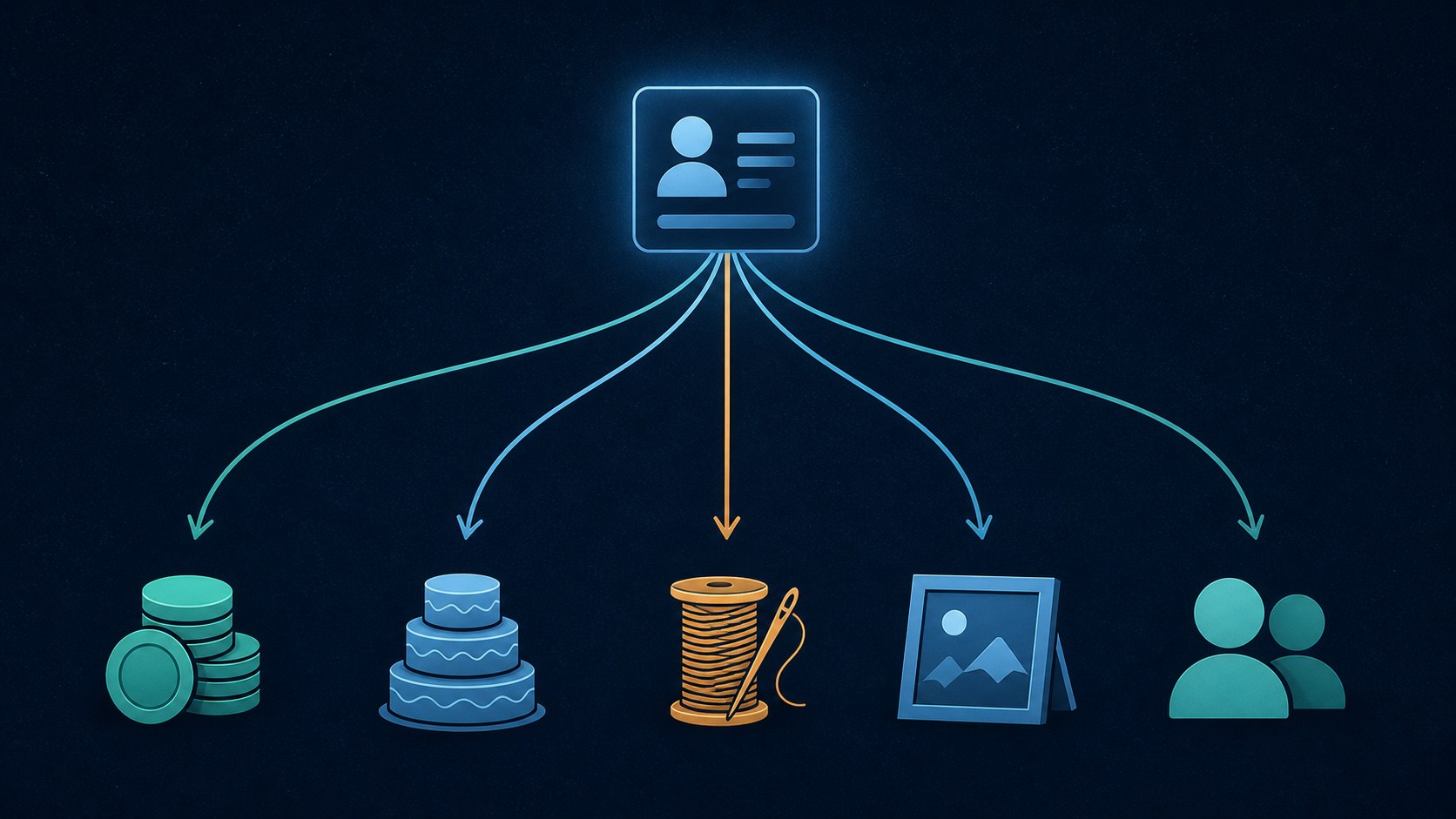
Almost every Typefully exit traces back to one of five reasons. Name yours before you look at a single tool, because each points somewhere different.
First, billing structure: Creator is annual-only, so if you want monthly flexibility, your replacement is any tool with honest monthly plans. Second, the free ceiling: 10 posts a month is tight for a daily poster, which points toward tools with roomier free tiers. Both complaints are about cost shape rather than capability, and cost-shape complaints have the cheapest fixes.
Third, your center of gravity moved to Threads, and you want a workflow built Threads-first rather than Threads as one channel among four. Fourth, you need visual platforms like Instagram or TikTok that Typefully doesn't cover, which sends you to the broad multi-platform scheduler category. Fifth, team or agency collaboration at scale: shared queues, roles, permissions, many clients, which points to collaboration tiers with multi-user support.
Each reason points to a category of replacement, not to a brand. Pick the reason first and the tool second, or you'll end up comparing feature tables for tools that solve a problem you don't have.

What the Leading Alternatives Actually Cost
Every number below comes from each tool's official pricing pages as of this writing. Read what the price attaches to before you read the price itself, because schedulers bill around different units: per account, per channel, per social set, or flat. BlackTwist bills per connected account and covers Threads and Bluesky only. Its free plan allows 15 posts a month on one account per platform; Starter at $6 a month ($72 a year) lifts that to unlimited posts with 2 connected accounts.
BlackTwist's Creator plan runs $12.50 a month ($150 a year) with 5 connected accounts, advanced analytics, auto-repost, automated follow-ups, best time to post, and 80 AI credits a month, plus MCP and AI agents access. Agency is $69 a month ($828 a year) with unlimited connected accounts, 20 teams, and 500 AI credits. AI costs 2 credits per post and 6 per thread, so credits deplete faster the more you thread.
Hypefury bills per channel: $6 a month for one channel on Flexible, and $6 for each additional platform, with a 7-day free trial. Its Full plan is flat, $19 a month with every channel included: Bluesky, Threads, LinkedIn, Instagram, and TikTok, plus AI trained on your posts, an engagement builder, autoplugs, and unlimited scheduling. Buffer also bills per channel. Its free plan covers 3 channels with 10 scheduled posts each, refilling as they publish, plus one API key and 3,000 requests a month; Essentials at $5 per month per channel ($60 a year per channel) unlocks unlimited scheduled posts, 3 API keys, and 7,500 requests a month, with volume discounts above 10 channels.
Publer bills per account. Free gets you 3 social accounts, X excluded, 10 scheduled posts per account, 25 drafts, and 24-hour post history; paid plans add unlimited scheduling and drafts, X on paid, media storage, and workspaces. Typefully bills per social set, as covered above. One honest caveat: Publer's and Typefully's dollar prices load dynamically on their sites, so check the current pricing pages before you budget anything; the plan structures here are accurate as of this writing, but exact figures change.
Switching for novelty or boredom instead of a specific, nameable reason.
Picking by feature count instead of by the job you actually do every week.
Ignoring what happens to your scheduled queue and history when you cancel.
Dropping Threads coverage to save a few dollars when Threads is your growth channel.
Migrating everything on day one instead of running both tools in parallel first.
If Threads Became Your Main Platform
If most of your readers now find you on Threads, the decision layer changes shape. Start with publishing infrastructure: a tool that runs a proper Threads API publishing workflow on Meta's official API gives you reliability today and a clean path to automation tomorrow. Then weigh scheduling depth, reply and growth workflows, and whether the tool learns each account separately.
BlackTwist covers Threads and Bluesky only, with growth features attached on its Creator plan: auto-repost, automated follow-ups, and best time to post. Hypefury and Buffer both include Threads, but as one channel among many inside a broader set. That's fine if Threads is one of several homes for your work, and a real compromise if it's the main one.
JoltSage is a Threads-first content workspace rather than a multi-platform scheduler with Threads included. It publishes through Meta's official Threads API via OAuth, with a free plan at $0 forever and no card required, MCP access at $15 a month, and Pro AI at $29 a month or $290 a year per connected Threads account, cancel anytime. The feature set aims at writing and growth: a seed library built from proven posts, the Threadstorm writer, promo replies after traction, and approval-first publishing, with each connected account keeping its own learning profile. The honest limit is just as important: JoltSage is not best for teams that mainly need broad multi-platform scheduling across TikTok, Instagram, LinkedIn, YouTube, and other channels.
If Threads is where your readers actually are, a Threads-first workspace plus the free Threads post creator for quick drafts covers most writing jobs without stacking a second subscription.
The Two-Week Parallel Test
Don't migrate on faith. Run Typefully and your candidate side by side for two weeks. Typefully keeps publishing the live queue, exactly as it does today. The candidate gets all new work: drafting, editing, and scheduling fresh posts.
Measure three things, no more. Publish reliability: did every scheduled post go out on time and formatted correctly? Writing speed: how long does blank page to scheduled draft take in each editor? Analytics usefulness: did the candidate's numbers ever change a real decision, or are they decoration?
Day 14 is the decision gate. Switch only if the candidate wins on the specific reason you're leaving, not because it felt novel for a week. If it doesn't win there, stay put and revisit the question in a quarter. Two weeks is short enough to be cheap and long enough to be honest.
Migration Checklist: Move Without Losing Your Queue
Start with your queue, not the new tool. Export it if the tool allows, or screenshot every scheduled post if it doesn't, and document your recurring slots and formats while they're in front of you. Some tools export queues and history cleanly and some don't, so check before you commit; scheduler migration costs compound when you discover the export gap after canceling.
Next, reconnect your accounts in the new tool and let it prove its permissions before anything depends on it. Then recreate the next two weeks of your queue there, mirroring the slots and formats you documented.
Watch the first week closely for missed posts, timezone slips, and formatting drift. Cancel Typefully last, only after the new queue runs clean. The overlap costs nothing but attention, and it's the cheapest insurance in this process.
When Staying Is the Right Move
Switching has costs the listicles never price in: a learning curve, queue migration, and the loss of muscle memory built in one editor over time. Comfort there compounds; friction there taxes every post.
If Typefully's editor is where you write best, the stay-case is strong. Connect Threads alongside X, run the free tier if 10 posts a month fits your cadence, or stay on Creator if the annual price fits your budget. Revisit the question only when a specific, nameable reason bites, not when a comparison post makes you itchy.
The best tool decision is a boring one: match the reason to the replacement, test in parallel, migrate deliberately. Do that and you'll land in the right place, whether that's a new tool or the one you already open every morning.
Action checklist
Use this as the practical next pass after reading the guide.
- +Write down, in one sentence, the specific reason you're leaving Typefully.
- +Shortlist two alternatives whose center of gravity matches that reason.
- +Open each candidate's current pricing page and confirm Threads coverage if Threads matters to you.
- +Draft and schedule all new posts in the candidate for two weeks while Typefully keeps publishing your live queue.
- +Score publish reliability, writing speed, and analytics usefulness on day 14.
- +Rebuild the next two weeks of your queue in the new tool, watch one week run clean, then cancel Typefully.

Conclusion
There's no winner in a Typefully alternatives comparison, only matches. The writer chafing at annual billing, the daily poster bumping the 10-post free ceiling, the creator whose readers moved to Threads, and the agency manager wiring up team permissions should not land on the same tool. Anyone who says otherwise is selling something.
Get the reason straight first, then let it route you: billing complaints to monthly-plan tools, free-tier pressure to roomier free plans, a Threads-first life to Threads-native workflows, visual platform needs to broad schedulers, and team scale to collaboration tiers. Keep the stay-case honestly in view too, because Typefully's writing-first editor is exactly what many switchers end up missing.
Wherever you land, the process stays the same. Test in parallel for two weeks, decide against your reason, migrate the queue deliberately, and cancel only when the new tool has earned it. That discipline costs nothing, and it keeps you from paying a migration cost twice.