What this guide is really about
Finding your target audience as an independent creator feels like trying to solve a puzzle when half the pieces are missing. You publish post after post into the digital void, hoping the right people stumble across your work. Traditional marketing manuals tell you to build elaborate customer personas filled with income brackets, fictional names, and arbitrary buyer behaviors. That corporate approach fails solo creators because it forces you to invent ideal readers out of thin air instead of observing how real people interact with your ideas.
Understanding who you write or create for is not about filling out corporate templates or chasing vanity metrics. It comes down to identifying the exact problems your knowledge solves and finding the online spaces where people actively seek those solutions. When you align your natural expertise with clear audience demands, creating consistent content becomes significantly easier and far more rewarding.
This guide walks through a practical system to discover, analyze, and test your target audience hypothesis without spending money on market research agencies. Whether you publish long-form essays, newsletter dispatches, or daily text posts on social platforms, this creator-first framework helps you convert silent lurkers into dedicated followers.
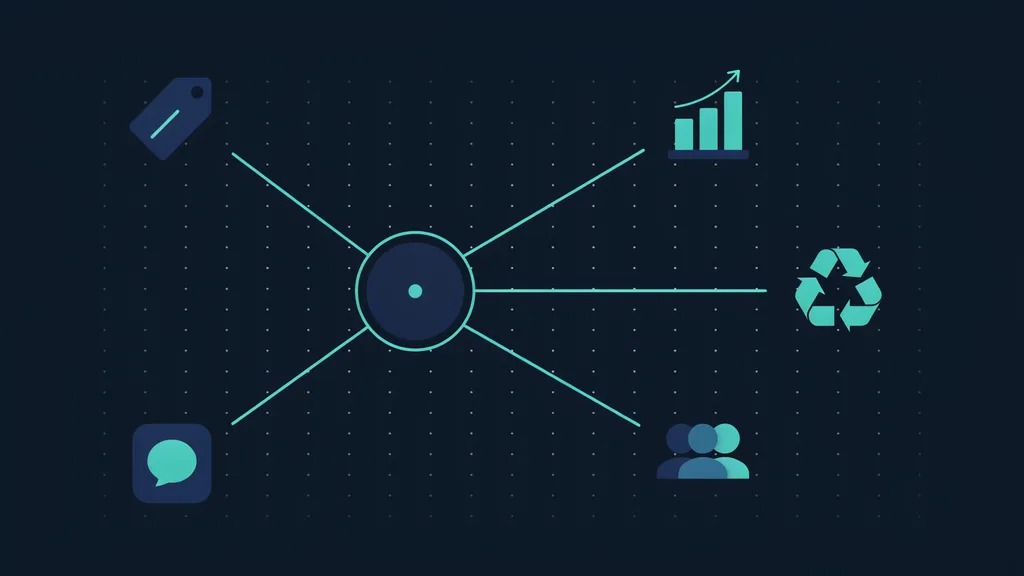
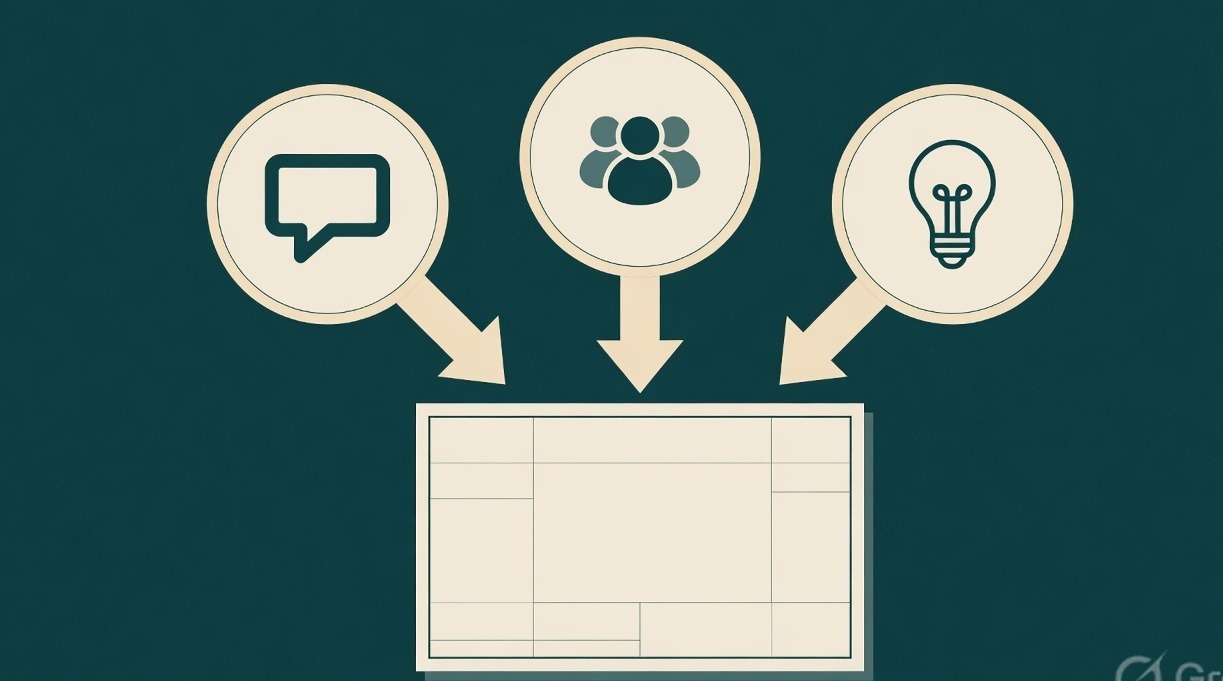
To find your target audience as a creator, combine three sources: read the signals you already have (comments, replies, dashboard demographics), find where your people already gather (communities, forums, competitor audiences), and let content test your hypothesis (post varied formats, track what resonates). Synthesize everything into a five-field audience hypothesis canvas, then map it to your content decisions.
Replace generic marketing personas with a lean, five-part audience hypothesis canvas
Discover zero-cost research methods to locate active communities and extract real audience pain points
Map out clear content formats and messaging tailored to the platforms where your ideal readers gather
Master a simple feedback loop to turn post analytics and comment data into smarter publishing decisions
Persona templates waste time when you lack real interaction data; start with a flexible hypothesis instead
Existing comments, bookmarks, and private messages contain the purest signals about what your readers need
Platform distribution varies wildly, so meet your readers where they already spend time rather than forcing new habits
Quantitative demographic metrics point you in the right direction, but qualitative comments tell you why people stay
Audience research is an ongoing loop of publishing, observing feedback, and refining your content focus over time
Why Most Audience Advice Misses Creators
Most audience research advice comes straight from enterprise marketing textbooks written for corporate brand managers. Those books urge you to define target demographics by picking arbitrary age ranges, household income levels, and job titles. Solo creators do not need to know if their average reader owns a garage or prefers desktop computers over mobile devices. You need to know what specific problems keep your readers awake at night and what words they use when searching for answers.
When creators try to adopt corporate audience profiling, they get stuck in endless planning phases without publishing content. You end up guessing what a hypothetical persona named Marketing Mary wants to read on Tuesday morning. That static approach creates a disconnect between your creative voice and the expectations of real human beings who read your work.
Creator-first research works in reverse. Instead of inventing a reader persona before you begin, you publish focused content based on your genuine strengths and observe who pays attention. Real audience insight comes from direct interaction, shared struggles, and repeated patterns in community feedback. By treating audience discovery as an active experiment, you save time and build momentum much faster.
Source One: Read the Signals You Already Have
Your existing content archive and inbox are goldmines of audience data waiting to be organized. Even if your following is small, the people who like, save, or comment on your posts leave clear breadcrumbs. Look at your top-performing pieces from the past six months and spot the common thread. Did readers react strongly to a tactical step-by-step tutorial, an honest breakdown of a recent failure, or an opinionated commentary on industry trends?
Pay close attention to private messages and direct emails. When a reader takes the extra step to send a message saying a post resonated with them, note down their exact phrasing. People use specific vocabulary when describing their daily frustrations. If multiple readers mention feeling overwhelmed by fragmented tools, that exact phrase becomes the foundation for your next project or outline.
You can also gather quantitative data directly from platform tools. Insights from the official Threads Professional Dashboard show key audience demographics such as age range, gender distribution, and top cities or countries. According to the Pew Research survey of American social media use, platform adoption varies widely across the web, with 84% of US adults using YouTube, 71% using Facebook, 50% using Instagram, 37% using TikTok, 32% using WhatsApp, 26% using Reddit, and Threads reaching about 1 in 10 US adults. Combining native dashboard insights with qualitative notes gives you a balanced view of who actually shows up.
Reviewing your data periodically keeps your publishing grounded in reality. If you want to dive deeper into platform numbers without drowning, check out our guide on Threads analytics for a practical approach to reading insights that matter.
Source Two: Find Where Your People Already Gather
You do not need to build an audience from complete scratch when thriving communities already exist across the internet. Your ideal readers are already asking questions, sharing frustrations, and debating ideas in spaces you can observe right now. The trick is finding the right rooms and listening before you speak.
Start with a simple search on Reddit, specialized forums, or community platforms related to your topic area. Look for posts with high engagement that ask questions you can answer. Read the comment threads carefully. The language people use when describing their problems in unmoderated community spaces is far more honest than what they write in formal survey responses. If someone writes a frustrated paragraph about spending three hours formatting a single newsletter, that is a content opportunity sitting in plain sight.
Study creators who share your topic but are not direct competitors. If you write about productivity systems and another creator focuses on productivity tools, your audiences likely overlap. Read the replies on their posts. Notice which comments express confusion, disagreement, or a hunger for deeper explanation. Those gaps are your opening. You can serve the same audience with a different angle, format, or depth level.
Keep a running document of every community signal you collect. Include the exact question asked, the platform where it appeared, and the language used. After two weeks of active observation, patterns emerge clearly enough to fill the first draft of your audience hypothesis.
Building elaborate buyer personas based on personal assumptions instead of real reader interactions
Ignoring qualitative comments and inbox messages while focusing exclusively on vanity view counts
Trying to publish on every social platform simultaneously instead of mastering spaces where your audience gathers
Copying big creator strategies blindly without understanding if your target audience shares the same needs
Treating audience research as a one-time task rather than a continuous loop of testing and refinement
Source Three: Let Content Test Your Hypothesis
Observation gives you a starting hypothesis. Publishing tests it. The fastest way to confirm or correct your audience assumptions is to create targeted content experiments and measure what happens. This is where most creators freeze because they worry about posting the wrong thing. But testing is the point. Every post that falls flat teaches you something a persona template never could.
Design a simple two-week test. Pick three content angles based on your research so far. For each angle, write posts at different lengths and tones. Some should be concise and tactical. Others should be longer and analytical. Track which combination generates the highest quality responses, not just the most likes. A post with five thoughtful replies is worth more than one with fifty passive likes.
Pay attention to who replies, not just how many. If you write a tactical Threads post and a practitioner in your field takes the time to respond with a follow-up question, that signals you have reached the right person. The opening lines of your posts matter enormously here. Testing different Threads hooks across your experiment helps you learn which openings attract your target reader versus casual scrollers.
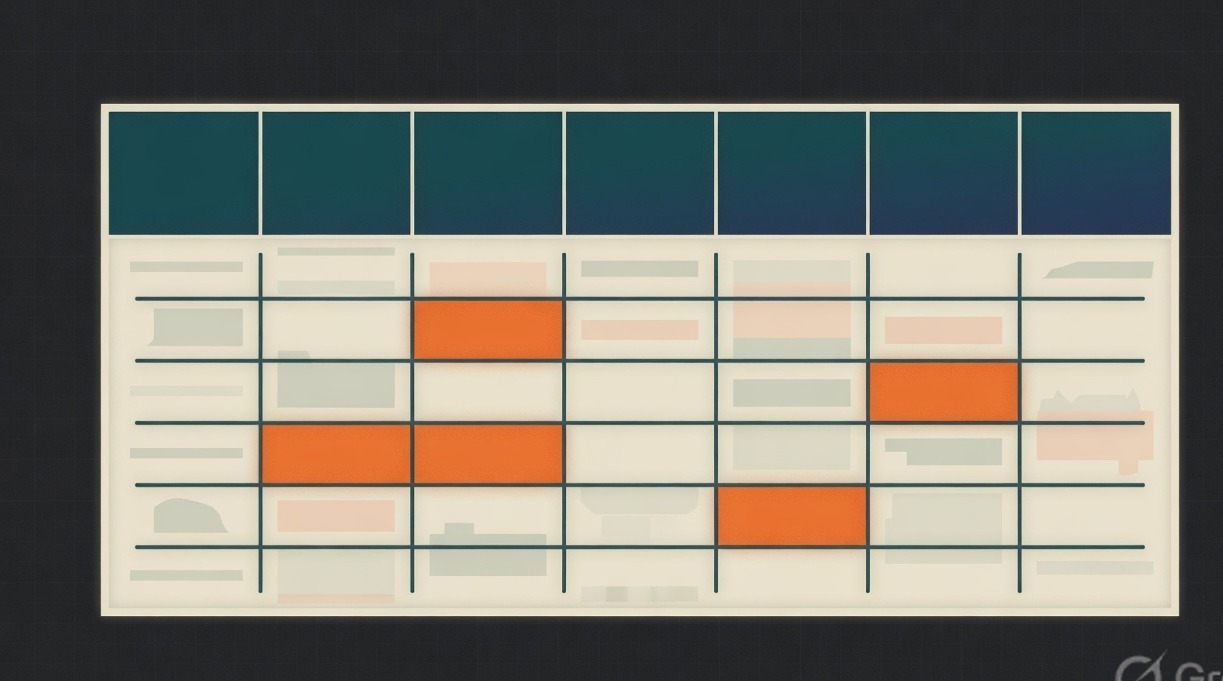
Record your results in a simple spreadsheet. Note the topic, format, opening style, and response type for each post. After fourteen days, review the patterns. Some angles will clearly resonate while others produce silence. That silence is data too. It tells you which parts of your hypothesis need revision before you invest more time in that direction.

Build Your Audience Hypothesis Canvas
After gathering signals from your existing data, community observation, and content tests, synthesize everything into a single working document. This is your audience hypothesis canvas. It is deliberately simple because it needs to stay flexible as you learn more. Five fields, one page, updated regularly.
The five fields work as follows. Expertise area defines the intersection of skills, practical experiences, and topics where you possess genuine insight and enjoy creating content consistently. Who they are captures the identity, professional context, or defining characteristics of the people who benefit most from your work. What they struggle with lists the specific roadblocks, daily frustrations, workflow bottlenecks, and unanswered questions holding your ideal readers back. Where they gather names the platforms, forums, and communities where your readers spend active time. What they respond to records the post formats, tone, and structural styles that reliably generate bookmarks, replies, and shares.
Filling out these five fields gives you clarity whenever you sit down to outline new material. Instead of staring at a blank page asking what to write, you look at your canvas and address a verified struggle using a proven format. Revisit your hypothesis canvas at the end of every month to refine your definitions based on fresh analytics and community feedback.
Turn Research Into Content Decisions
Gathering audience data is only valuable if it changes how you create content on a daily basis. Once you complete your initial hypothesis canvas, map your research directly into your core social media content pillars. Each pillar should address one of the core struggles identified during your research phase. If your research shows that your audience struggles with time management, create a pillar dedicated to lean workflows and templates.
Use your audience's exact language in your headlines and opening sentences. When readers see their own internal dialogue reflected in your posts, they instantly recognize your content as relevant. This practice turns casual readers into loyal followers who feel understood. Your overall social media content strategy should flow directly from what your canvas reveals about reader needs.
Establish a weekly content review session to evaluate performance. Look at your data to see which pillars generated the highest quality conversations. Double down on topics that trigger meaningful replies and retire angles that fall flat, keeping your publishing system lean and effective. The goal is not to post more but to post with sharper focus on what your audience actually needs.
Tools That Help Without Breaking Your Budget
You do not need enterprise software subscriptions costing hundreds of dollars per month to conduct effective audience research. Start with native analytics dashboards built into your primary publishing platforms. Platform analytics provide clean baseline data regarding impression counts, engagement rates, and follower demographics. Pairing native insights with simple spreadsheet tracking lets you spot long-term growth trends without paying for third-party tools.
Use free search tools and forum search bars to analyze topic demand. Searching specific terms on Reddit or specialized forums reveals real questions typed by actual users. Collecting these queries in a basic digital notebook creates an endless supply of validated post topics that come straight from your target audience.
When you are ready to act on your research, the Free Threads Post Creator can help you draft posts tailored to the specific angles and hooks your audience responds to. Having a reliable drafting tool means you spend less time formatting and more time refining the substance your readers actually care about.
Action checklist
Use this as the practical next pass after reading the guide.
- +Audit your top ten highest-performing posts to identify common topic themes and high-engagement hooks
- +Review your direct messages and comment sections to extract the exact phrasing your readers use
- +Identify three online communities where your ideal readers actively ask questions and discuss challenges
- +Complete all five fields of your audience hypothesis canvas and save it for easy reference
- +Map your canvas findings directly into three to four core content pillars for your publishing schedule
- +Run a two-week content test using varied formats to validate your audience assumptions with real data
Conclusion
Finding your target audience is not a mysterious art reserved for major marketing agencies. It is a systematic process of listening carefully to signals, hanging out in spaces where your people gather, and testing ideas through consistent publishing. By replacing rigid corporate personas with a flexible hypothesis canvas, you build a publishing system that grows alongside your creative journey.
Focus on serving a specific group of people with clear, actionable solutions to their daily challenges. Track both qualitative feedback in your comments and quantitative metrics in your dashboards to guide your editorial direction. Over time, this disciplined focus builds a loyal, highly engaged community around your work.
Start small today by reviewing your recent comments or exploring a single niche community. Document what you learn, update your hypothesis, and keep publishing. Your ideal audience is already out there searching for your perspective. You just need to give them a reason to stay.