What this guide is really about
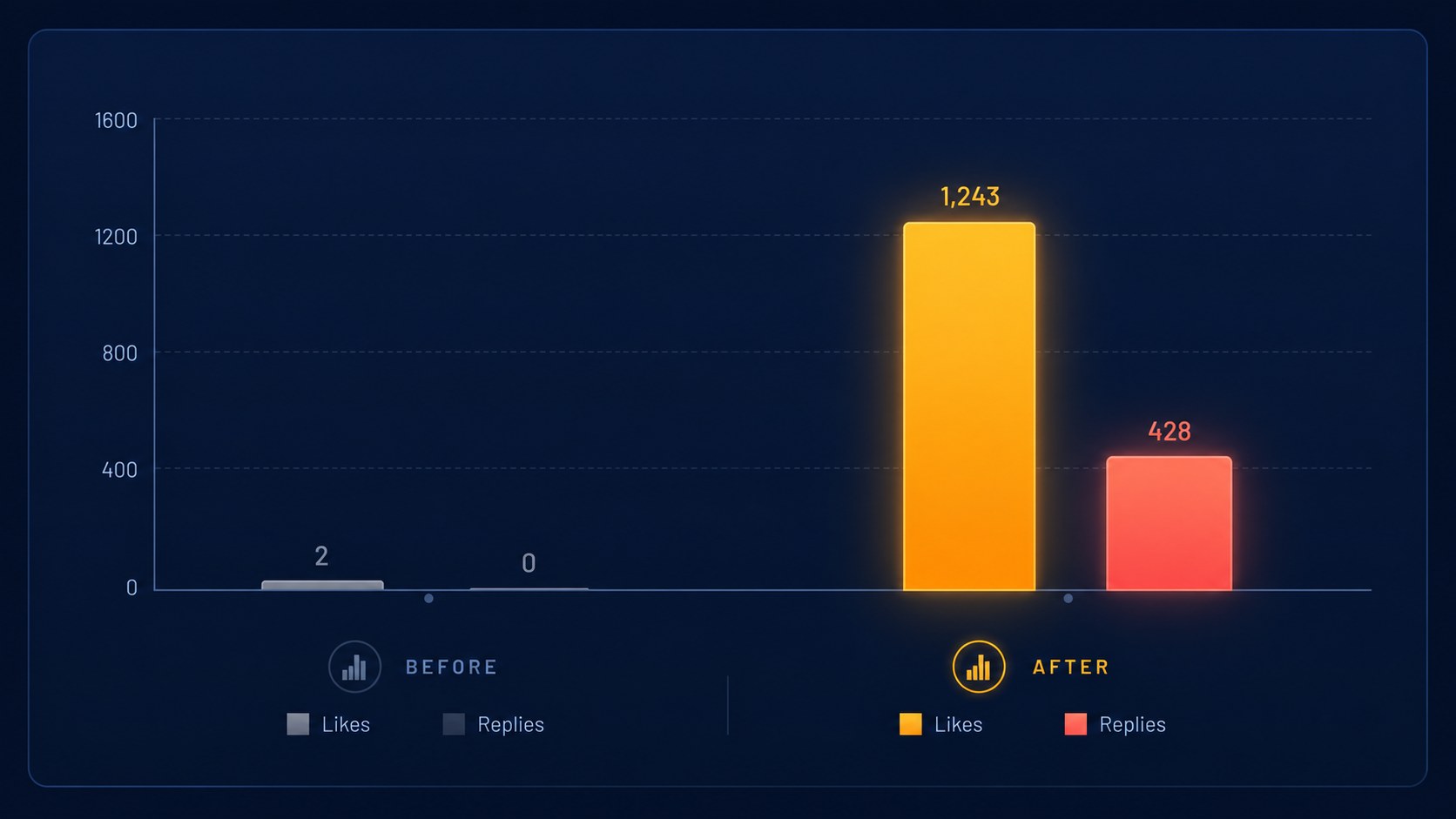
I used to think a good Threads post started with a good idea. Then I watched a genuinely useful post get two likes while a rougher, sharper rewrite pulled in hundreds of replies. Same thought. Different first line, rhythm, and ending.
That is the annoying truth about Threads in 2026. The feed rewards conversation, and conversation starts with copy that makes someone pause, recognize themselves, or disagree out loud. A polished idea still disappears when it arrives wrapped in sleepy wording.
To learn how to write Threads posts that get read, treat each one like tiny copy. The hook earns the next second, the body earns attention, and the close gives people somewhere to go. Here is the framework I use.
Write Threads posts around one clear idea. Open with a specific hook, use short paragraphs and varied sentence rhythm, sound like a person, and end with a question or opinion people can answer. Edit harder than you draft, then watch replies more closely than likes.

You will learn five hook formulas with examples.
You will see how pacing and line breaks keep people reading.
You will get a rewrite process for turning a bland idea into a post with a pulse.
You will leave with a way to write and schedule a week of posts.
The first line does most of the work, so make it specific or emotionally honest.
One post should carry one idea, with white space doing part of the reading work.
Replies matter more than likes when judging whether the writing connected.
A human voice beats corporate polish, even for a business account.
The best posts usually come from editing, not a perfect first draft.
Why Most Threads Posts Get Ignored (And the 3-Second Rule)
The harsh truth is that most Threads posts die before the idea has a chance. The first line says something like, "Here are some thoughts on productivity," and the reader is gone. It is not that the topic is useless. The opening simply asks for attention without giving anything back.
I started using a three second rule after watching more than 500 posts in different niches. In that tiny window, a reader needs a reason to continue: surprise, tension, recognition, or a clear promise. One post of mine got two likes with the opening, "Consistency is important for creators." I rewrote it as, "Your content problem probably isn't discipline. It's having to invent a new idea every morning." That version passed 400 replies because people had a reaction before they had finished reading.
Remember: hook, body, close. Stop the scroll with an edge, keep the reader moving with clean rhythm, then finish with a thought that invites a response. Which part of your last post made someone care enough to stay?
The Hook: How to Write Opening Lines That Stop the Scroll
The first line often determines most of a post's reach because it decides whether the rest gets a chance. I treat 80 percent as a useful writing rule, not a lab measurement. A weak hook can bury a brilliant point.
Here are five formulas I use. Contrarian: weak, "You need a morning routine to be productive." Strong, "Your morning routine might be why your best work never starts." Specific number: weak, "Writing gets easier with practice." Strong, "I wrote 37 posts before I learned why my hooks felt flat." Vulnerability: weak, "Creators should study analytics." Strong, "I avoided analytics for six months because the numbers would bruise my ego." Prediction: weak, "Social media is changing." Strong, "By the end of 2026, trusted Threads accounts will feel more like group chats than magazines." Question: weak, "Do you struggle with consistency?" Strong, "What would you publish if nobody expected you to sound impressive?"
I tested all five across a month, and the vulnerable hook won for me. It pulled fewer casual likes but started longer replies, which is the better signal on Threads now. The specific number hook came second because it gave readers a concrete door into the story. Try two versions of the same idea this week. Which opening creates a stronger feeling before the second line?
The Body: Pacing, Rhythm, and Keeping People Reading
Short sentences create tension. Longer sentences create flow and give the reader room to connect the dots, especially when you are telling a personal story with a point. You need both. If every sentence punches, the post starts to sound like a motivational poster. If every sentence wanders, the reader has to do too much work.
Keep one main idea per post. I once packed a post with advice about focus, delegation, sleep, and planning because all four felt related. It read like a small newsletter nobody subscribed to. I cut everything except the focus point, moved each sentence onto its own line, and the edited version pulled nearly three times the replies. White space is not decoration on Threads. It controls speed.
A useful ceiling is around 500 characters for many everyday posts, though shorter often wins when the idea is sharp. Read the draft aloud, cut what the reader already understands, and add line breaks where your voice naturally pauses. Where could one clean break make the point easier to feel?
Opening with a broad statement that could belong to any creator.
Stuffing related lessons into one post instead of choosing one idea.
Using line breaks after every phrase instead of creating rhythm.
Ending with a generic call to action that asks for engagement without giving people an opinion to discuss.
Editing out personal detail until the post sounds safe and forgettable.

The Close: End Lines That Trigger Replies and Shares
Most creators spend all their energy on the hook and then throw away the final line with "Follow for more," "Agree?" or the dreaded "Thoughts?" A close is not an administrative sign off. It is the moment you hand the reader a reason to speak, share, save, or sit with the idea.
Four close types work especially well. The open question asks for a real position: "What would you stop doing if your income did not depend on looking busy?" The bold prediction invites debate: "The next creator advantage will be a recognizable point of view, not a bigger posting schedule." The vulnerable admission lowers the guard: "I still need to remind myself that a quiet week does not mean I have lost my voice." The contrarian close flips the lesson: "Maybe the goal is not to post more. Maybe it is to give people fewer, better things to remember."
One of my most shared posts started with a modest story and ended, "I think we are all too impressed by people who never seem confused." That line gave readers a position to take. A question need not sound like a survey. What could your final sentence make someone admit?

Tone and Voice: Sounding Like a Real Human, Not a Brand Account
Personal voice usually beats brand voice because people respond to a person making an observation, not a committee approving a message. In my own tests, formal brand style posts earned about a third of the replies that casual, first person rewrites earned. The difference was not grammar. It was the feeling that someone real had noticed something and cared enough to say it plainly.
You can write conversationally as a business. Replace "Our platform empowers creators to optimize their publishing workflow" with "We built this because missing your best posting window is maddening." Run the text your friend test: would you send this to a smart friend? Cut "unlock your potential," "seamless solution," "thought leadership," and "we are excited to announce" unless you want to sound like a conference badge.
I tested a formal post about planning against a casual version that began, "I kept calling myself inconsistent when I was really just unprepared." The casual one won by a mile because it named a feeling people recognized. Keep the useful detail, lose the brochure voice, and let one imperfect phrase survive. What would this sound like if you stopped trying to represent a company for thirty seconds?
The Rewrite Method: How to Turn Any Idea Into a Scroll Stopper
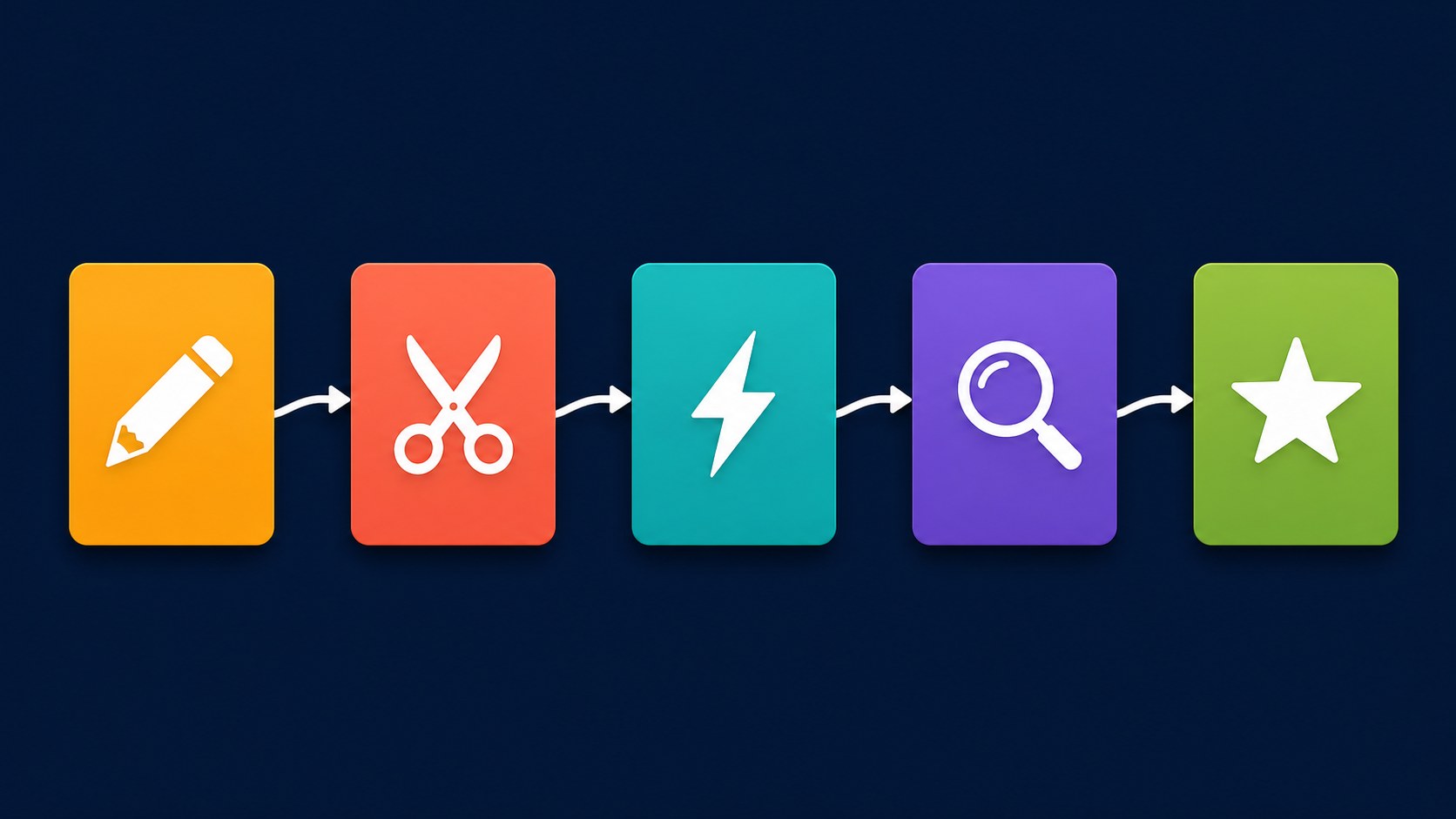
The first draft is allowed to be boring. Mine usually is. The magic happens in five passes: draft, slash, hook swap, tighten, then close strong. This takes three to five minutes once editing stops feeling like punishment.
Here is a real example. Before: "Creators should post consistently because consistency builds trust. Create a schedule and follow it." Draft pass keeps the idea that consistency is planned. Slash removes the second sentence. Hook swap gives us, "Most creators do not have a consistency problem. They have a planning problem." Tighten the body to, "If every post starts with a blank screen, you are asking motivation to do a calendar's job. Write seven ideas on Sunday. Edit them when your brain is fresh."
After: "Most creators do not have a consistency problem. They have a planning problem. If every post starts with a blank screen, you are asking motivation to do a calendar's job. Write seven ideas on Sunday. Edit them when your brain is fresh. You need fewer daily decisions." Most of the improvement happened after the first draft. Which sentence is only there because you are afraid to cut it?
From Good Posts to Consistent Growth: Your Next Steps
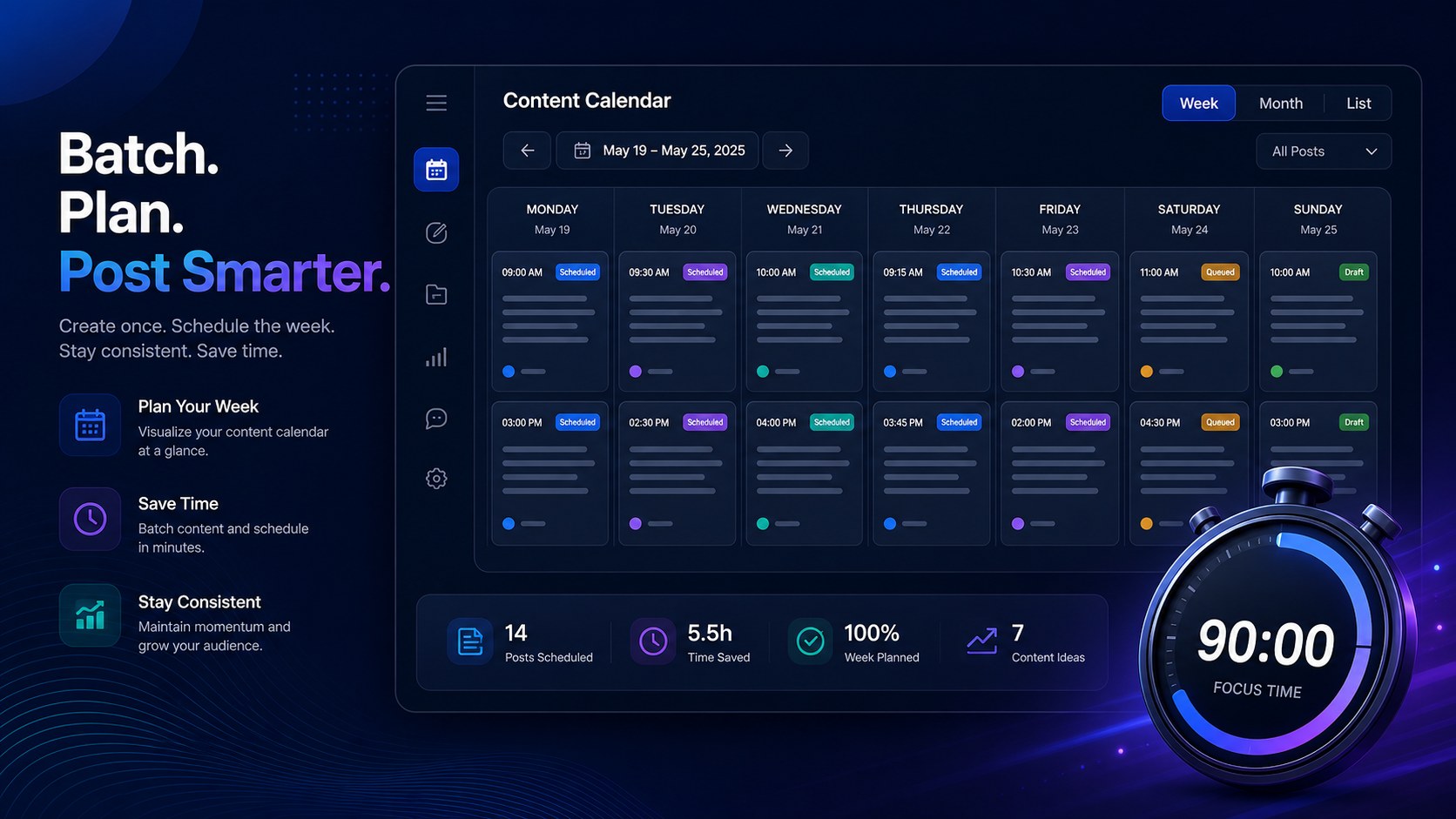
Writing well is half the battle. Consistency gets easier when you batch the thinking. Set a 60 minute timer, choose five themes from your 5 pillar content strategy, and draft two posts for each. Get the ideas out, then use the framework to edit seven keepers.
I started doing this after missing three posting windows because I was stuck rewriting one post. A weekly batch gave me room to choose the strongest line. Use your content calendar template, add a reply tactic beside each post, and leave space for raw timelines or personal observations. The post ideas guide can help fill a blank page without stealing your voice.
Once the writing is ready, the bottleneck becomes consistency and scheduling. JoltSage lets you schedule posts ahead of time, so a busy afternoon does not erase the work you did on Sunday. Great copy still needs a chance to appear. Start with seven posts, schedule them, and spend the saved time replying like a person. What could you write this week if publishing stopped being a daily emergency?

Action checklist
Use this as the practical next pass after reading the guide.
- +Rewrite the first line of your next three drafts with different hook formulas.
- +Cut each post to one idea and mark the sentence carrying the point.
- +Read the draft aloud, then add line breaks where your voice naturally pauses.
- +Replace the final generic CTA with an open question, prediction, admission, or contrarian close.
- +Run the text your friend test and remove phrases you would never say aloud.
- +Batch seven posts, schedule them in JoltSage, and track replies instead of likes alone.
Frequently asked questions
How long should a Threads post be for maximum engagement?
There is no winning length, but many strong everyday posts land under 500 characters because the idea stays focused. Shorter can win when the observation is sharp, while a story may need more room. Cut until every line earns the next one.
What is the best hook formula for Threads in 2026?
The best hook creates an immediate reaction, and vulnerable or specific hooks often do that well. Try a concrete number, honest admission, prediction, or question with a real stake. Test different openings instead of searching for one permanent formula.
Should I post questions or statements on Threads?
Use both. A strong statement gives people something to challenge, while a specific question gives their reaction shape. Avoid "Thoughts?" and ask for a position, choice, memory, or prediction instead.
How often should I post on Threads to see growth?
Start with a schedule you can maintain for four weeks, such as one thoughtful post a day or five posts a week. Consistency helps you learn, but posting more cannot rescue weak copy. Batch writing and scheduling make a steady rhythm easier.
Can I use the same writing style from X/Twitter on Threads?
Bring the same point of view, but Threads gives personal stories, observations, and reply friendly endings more room to breathe. If your X style is compressed or performative, loosen it. Write as if you are starting a conversation, not delivering a headline.
What words should I avoid in Threads posts?
Avoid filler such as "unlock," "leverage," "seamless," "thought leadership," and "empower" when simpler words work. Watch vague claims, jargon, and humblebrags. If you would not say a phrase to a friend, rewrite it.
How do I write Threads posts for a business without sounding corporate?
Lead with a customer problem, specific lesson, or story from the work instead of a product announcement. Use first person when honest, name the tradeoff, and explain what you learned. A business can sound professional without a press release.
What tools help me write and schedule Threads posts consistently?
A notes app, content calendar, and scheduling tool are enough for most creators. JoltSage helps organize and schedule posts ahead of time, removing the daily publishing scramble. Keep editing human, then use the tool to protect consistency.
Conclusion
Learning how to write Threads posts is less about a magic format and more about better tiny decisions. Say the interesting part first. Give each sentence a job. Leave room for the reader to see themselves in the story.
Write the rough version, cut the soft opening, sharpen the close, and publish before the post feels perfectly safe. Then keep the conversation going in the replies. Your voice gets clearer when you use it regularly, and your consistency gets easier when your best work is already scheduled.