What this guide is really about
Everyone and their cousin will tell you to start a YouTube channel. Or post Reels. Or build a TikTok following. That's where the money is, right? Well, sort of. But there's a quieter stream of income that almost nobody talks about, and it doesn't require a ring light, a face, or a dance routine. It lives entirely in text. And it runs on a platform most people still haven't figured out how to monetize.
I stumbled into the Notion template world about a year ago when a friend sent me a link to a $12 habit tracker. I bought it without thinking twice. Then I went down a rabbit hole and found creators pulling in $4,000, $8,000, even $15,000 a month selling Notion templates. Not courses. Not coaching. Templates. Little organizational tools built inside a free app. I was floored.
Here's what I want to give you today: the exact system to launch your first Notion template, grow an audience on Threads, and get your first sale. No fluff. No guru nonsense. Just the real steps that are working for sellers right now in 2026.
You can make $500 to $15,000 per month selling Notion templates on Threads by creating simple organizational tools, posting text-based content that shows your expertise, and funneling followers to a Gumroad or Stan Store checkout. No camera needed. No big audience required.

You will learn the exact 5-step system to create and sell your first Notion template
You will discover which template types generate the most revenue right now
You will get the Threads growth playbook that turns text posts into sales
You will see real numbers from real sellers making $500 to $15,000 per month
Notion templates are the lowest-friction digital product you can create in 2026. The tool is free. The learning curve is gentle. And the demand keeps growing.
Threads is the most underused platform for selling text-based products. It rewards consistency over follower count, which means you can start making money with almost zero audience.
You don't need a camera, design skills, or a big following to start. A laptop, a free Notion account, and a weekend are enough to launch your first product.
Top sellers are making $3,000 to $15,000 per month from a handful of templates. Some earn over $2,000 from a single product.
Why Notion Templates Are the Perfect Digital Product
Let's talk about why Notion templates specifically. There are a million digital products you could sell. Ebooks. Printables. Canva templates. But Notion templates hit a sweet spot that nothing else does right now. First, the barrier to create one is almost zero. Notion is free. You don't need Photoshop. You don't need to learn Figma. You just need to organize information in a way that helps people. If you've ever made a spreadsheet to track your budget, you can make a Notion template. Second, it's true passive income. You build a template once. Then you sell it 10, 100, or 1,000 times without touching it again. A creator named Daniella built a content planner template over a single Sunday afternoon. That template now brings in about $2,200 a month on Gumroad. She hasn't updated it since February. It just keeps selling.
I remember building my first template. It was a simple weekly planner with a to-do list, a habit tracker, and a notes section. Took me maybe three hours. I thought nobody would buy it. Posted it on Gumroad for $9, shared it on Threads, and went to bed. Woke up to two sales. Eighteen dollars. I literally sat there staring at my phone like it was a glitch. It wasn't. Two strangers had found my post, clicked my link, and paid me for something I made in my kitchen.
The market for Notion templates is still growing. More people are discovering Notion every day, and most of them don't want to build systems from scratch. They want plug-and-play solutions. That's your opportunity. So what makes Threads the perfect place to sell these things? That's where this gets interesting.
How Threads Became the Secret Sales Channel
Threads is a weird platform. It launched with a ton of hype, lost some steam, and now it's settling into something genuinely useful. The key difference between Threads and Instagram or TikTok? It's text-first. That matters more than you might think. On Instagram, you need good photos. On TikTok, you need video editing skills. On Threads, your words are the product demo. You can describe what your template does, share a tip, and link to your store. All in plain text. No production required. Here's the other thing that caught me off guard. Meta's algorithm on Threads seems to reward consistency more than virality. You don't need a million followers to get reach. You need to post regularly and engage with people. That levels the playing field in a way that YouTube and TikTok simply don't.
Let me tell you about Regina. She's a creator who started selling manifestation printables on Threads with about 400 followers. She posted a simple text thread explaining her morning routine printable, linked to her Gumroad, and went to sleep. The next morning she'd made $268 in 24 hours. From a tiny account. With a text post. Then there's Marcus, who I connected with in a digital products community. He went from zero Threads followers to $1,000 a month in about six weeks using nothing but text posts. His strategy? Posting helpful productivity tips three times a day and casually mentioning his templates. No fancy graphics. No video. Just words.
If text-based selling works this well on Threads, imagine what happens when you combine it with a really good template. But how do you actually build one that sells?
The 5-Step System to Launch Your First Template
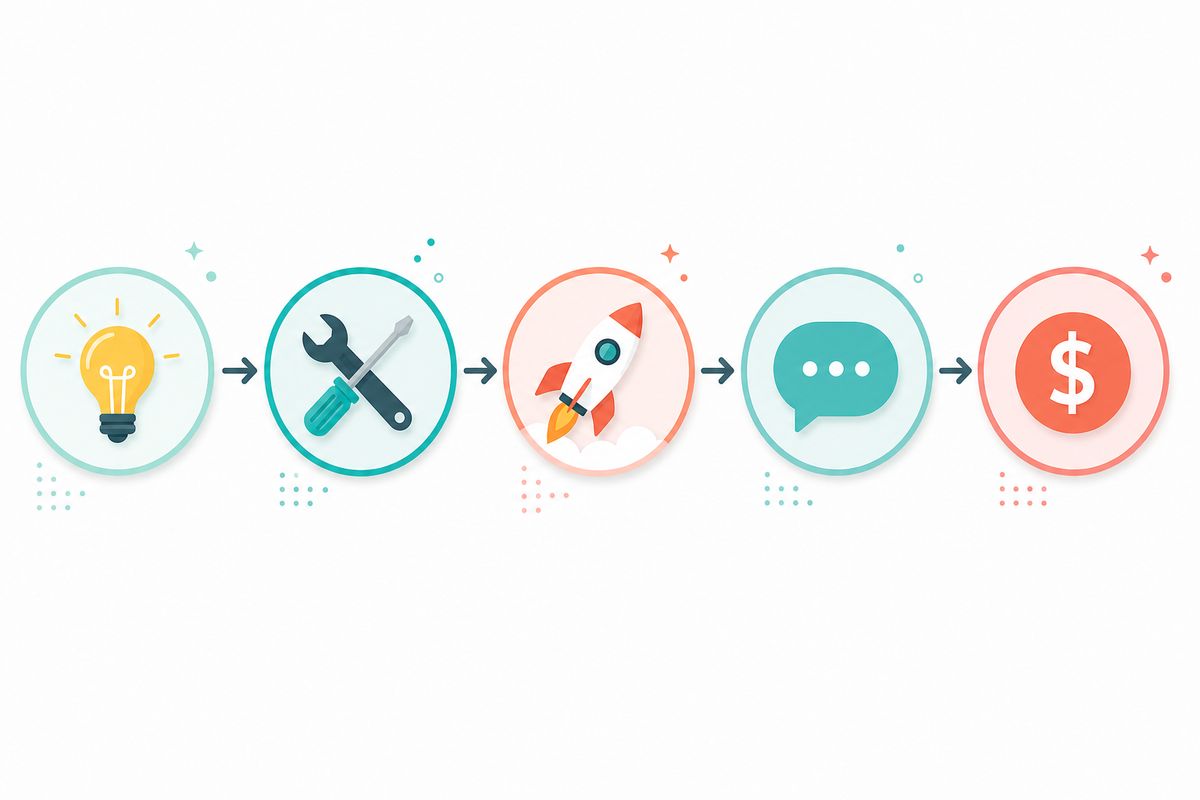
This is the exact process I've seen work for creators who are making real money. Not theoretical. Not what should work. What actually works. Step 1: Pick a niche where people are disorganized. The best-selling templates solve a specific problem for a specific person. Fitness tracking. Budget management. Content planning. Job hunting. Wedding planning. Meal prep. Pick one. Don't try to build a template for everyone. When I started, I picked freelance project management because that was my own problem. I was a mess at tracking client work. Turns out, a lot of freelancers were too. That shared frustration is what makes a template sell.
Step 2: Build a simple Notion template in 2-3 hours. Open Notion. Create a new page. Build the system you wish you'd had six months ago. Don't overcomplicate it. A few databases, some filtered views, maybe a dashboard. That's it. A friend of mine, Jason, spent two weeks perfecting his first template. It had 14 linked databases and color-coded everything. It was gorgeous. Nobody bought it because it was overwhelming. His second template? A simple weekly meal planner. Took him two hours. It outsold the first one by 10x. Step 3: Set up your storefront on Gumroad or Stan Store. Both are free to start. Gumroad takes a small cut of each sale. Stan Store has a monthly fee but integrates better with social media. Pick one. Don't overthink it. I started with Gumroad because it was free and I had zero budget. Took me about 20 minutes to set up.
Step 4: Post 5-7 Threads showing snippets of what your template does. Don't be salesy. Be helpful. Share a tip related to your niche. Show a screenshot of one small part of your template. Talk about the problem you solved for yourself. People will ask where they can get the full version. That's when you drop the link. The first time I did this, I posted a thread about how I organize my freelance deadlines. No link. No pitch. Just a useful breakdown. Three people DM'd me asking if I had a template for it. Step 5: Add your link in bio and respond to every comment. Put your Gumroad or Stan Store link in your Threads bio. Then reply to every single comment on your posts. Every one. The conversations in your comments are where trust gets built, and trust is where sales come from. Which niche would you pick? Fitness? Money? Something else entirely?
Overcomplicating your first template. Keep it simple. A clean, easy-to-use template will outsell a bloated one every time. Ship something basic. Improve it later.
Posting only sales content on Threads. If every post is "buy my template," people will unfollow you. Post value. Share tips. Be helpful. The sales come naturally when people trust you.
Pricing too low. A $3 template sounds like a steal, but it attracts bargain hunters who will refund over anything. Price at $7 minimum. Most templates do well at $9-$15.
Ignoring comments and DMs. This is where the money is. When someone comments on your post, reply. When someone DM's you a question, answer it thoughtfully. People close $49 sales from a single DM conversation.
Waiting until your template is perfect. It will never be perfect. Ship it. Get feedback. Improve. The creators making $5K+ a month didn't wait for perfection. They shipped fast and iterated.
What Actually Sells: Template Types That Generate Revenue
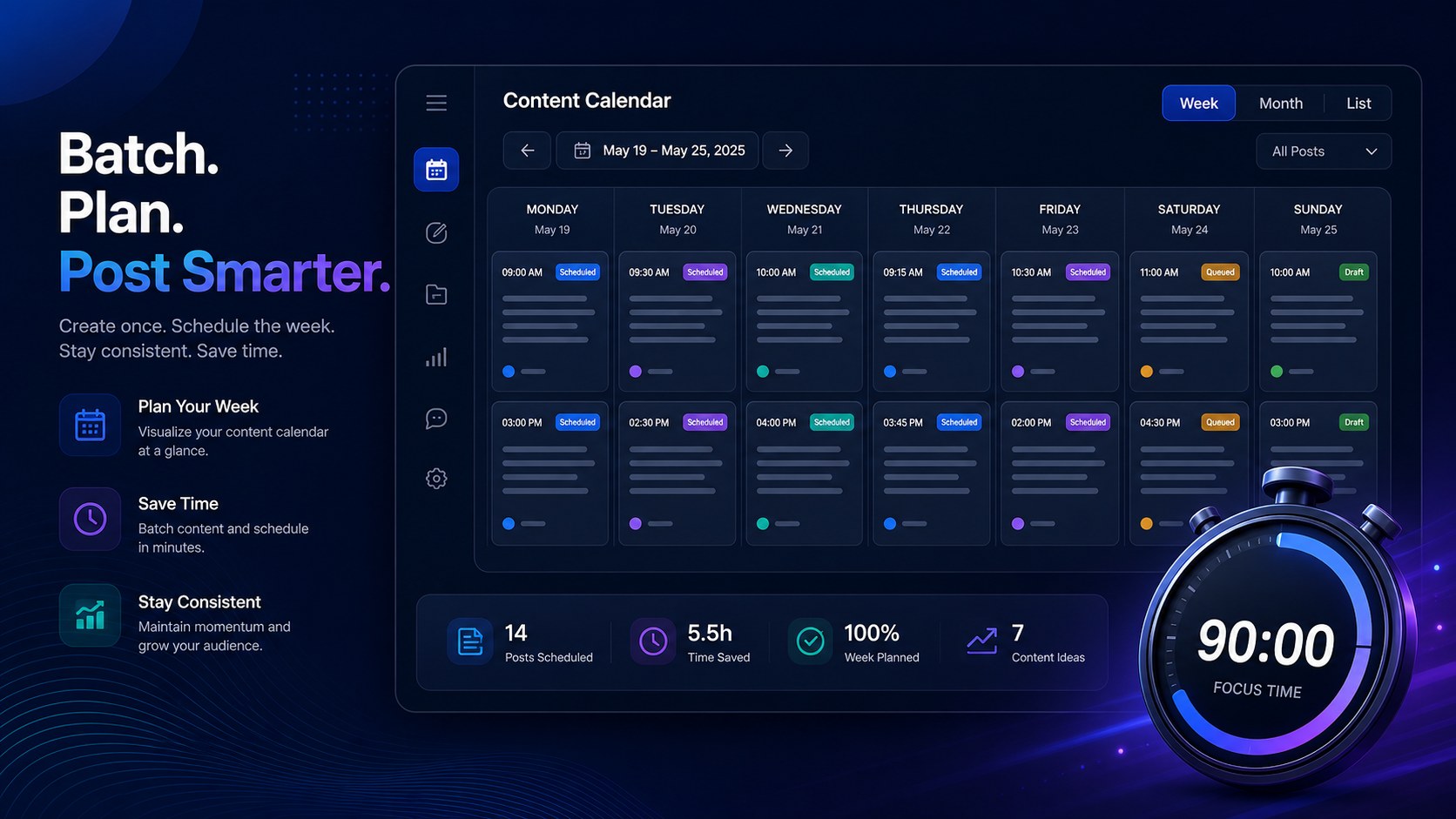
Not all templates are created equal. Some categories sell consistently. Others flop. Here's what's actually generating revenue in 2026. Content calendar templates ($9-$19). These are steady sellers. Every creator, freelancer, and small business owner needs to plan content. A good content calendar template with a weekly view, a content pipeline, and a publishing tracker can sell 30-50 copies a month at $12. That's $360 to $600 from one template. Habit trackers and wellness planners ($7-$15). Health and wellness is a massive market. A habit tracker with daily check-ins, mood logging, and goal setting sells well year-round, but especially in January and September. One seller I follow moves about 80 copies a month of her $11 wellness planner. That's $880 monthly from a product she built in an afternoon.
Business and startup planning templates ($15-$49). This is where premium pricing lives. Startup founders and small business owners will pay more for tools that save them time. A business planning template with financial projections, milestone tracking, and investor pitch prep can command $29 to $49. Even at 20 sales a month, that's $580 to $980. Job application trackers ($7-$12). This is an underserved niche. Job seekers are stressed, disorganized, and motivated to spend money on anything that gives them an edge. One creator reported making $420 in her first month with a $9 job tracker.
The beauty of this business is that you don't have to guess what sells. You can look at what's working and build your own version with a unique angle. Tools like JoltSage can help you brainstorm template ideas, research what's selling, and even draft your Threads posts in minutes instead of hours. It's like having a product research assistant that works 24/7. So you know what to build. But how do you actually grow on Threads so people see it?

The Threads Growth Playbook That Actually Works
Growing on Threads isn't complicated. But it does take consistency. Here's the playbook that's working right now. Post 3-5 times per day. Short, helpful text posts. A productivity tip. A question. A quick story about something you learned. Each post takes two minutes to write. The key is showing up every day. Share your template-building process in real time. People love behind-the-scenes content. Post about choosing your template's layout. Share a screenshot of a database you're building. Ask your followers what features they'd want. This builds investment before you even launch.
Engage with comments within the first 30 minutes. Threads boosts posts that get early engagement. If someone replies to your post, reply back. Fast. This isn't just algorithmic optimization. It's also where real relationships form, and relationships drive sales. Use the free sample strategy. Create a mini version of your template and give it away for free. Post the link on Threads. In the free version, include a link to the full paid version. This works insanely well because people get to try before they buy.
Creators who follow this playbook are getting 500 to 2,000 followers in their first month. That might not sound like a lot compared to a viral TikTok. But these are targeted followers. They're interested in productivity. They use Notion. They buy templates. I watched a Threads post go viral in the digital products community a few months ago. A creator shared a free daily planner template. Simple, clean, useful. It got 1,200 likes and 400 reposts. Her Gumroad got 2,000 visits that day. She sold 87 copies of her paid bundle at $19. That's $1,653 in a single day from one post. What would you do with an extra $1,653 this month?
How to Scale from $500 to $5,000 Per Month
Getting your first few sales is exciting. But the real magic happens when you start scaling. Here's how sellers go from a few hundred dollars to several thousand per month. Build a product ladder. Start with a free template to build your email list. Then offer a paid template at $9-$15. Create a bundle of 3-5 templates at $29-$49. Eventually, some sellers add a course or a premium community at $97-$199. Each step up increases your revenue per customer. Raise prices as you get reviews. Social proof is powerful. Once you have 10-20 positive reviews on Gumroad or Stan Store, bump your price by $5. The people who were going to buy at $12 will still buy at $17. And the extra revenue adds up fast.
Cross-sell related templates. Someone who buys your content planner probably needs a habit tracker too. Someone who buys your job tracker might want an interview prep template. Include recommendations for your other products inside each template. One seller told me that 30% of her customers buy a second template within two weeks. Let's do the math. Five templates at $15 each. Seventy sales per month spread across them. That's $5,250. And that's without bundles, without a course, without even trying hard. Scale to 140 sales per month with better Threads growth and you're at $10,500.
This is where tools like JoltSage become really valuable. When you're managing multiple templates, writing daily Threads posts, and trying to figure out what to build next, AI-powered research and brainstorming saves you hours every week. Hours you can spend building products instead of staring at a blank screen. The question isn't whether this business model works. The question is whether you'll start before everyone else figures it out.

Action checklist
Use this as the practical next pass after reading the guide.
- +Pick your template niche today. Choose one problem you understand well.
- +Build your first Notion template this weekend. Keep it under 3 hours.
- +Set up a free Gumroad or Stan Store account. Upload your template.
- +Write 7 Threads posts about your template topic. Schedule them over the next week.
- +Post your first thread and engage with every single reply.
- +Track your first 30 days. Note what works. Double down on that.
Frequently asked questions
Can you really make money selling Notion templates on Threads?
Yes. Creators are making anywhere from $500 to $15,000 per month. The low end is achievable with one or two templates and consistent posting. The high end comes from building a catalog, growing your Threads audience, and cross-selling related products.
How much does it cost to start selling Notion templates?
Almost nothing. Notion is free. Gumroad is free to start and takes a small percentage of each sale. Stan Store charges around $29/month. Your only real cost is your time.
Do I need to know how to code or design?
Nope. Notion uses a drag-and-drop interface. If you can organize a spreadsheet, you can build a Notion template. No coding. No design software. No fancy tools.
How long does it take to create a Notion template?
A simple template takes 2-3 hours. A more complex one might take a full day. The best sellers built their first template in an afternoon and improved it over time based on customer feedback.
What platform should I use to sell my templates?
Gumroad and Stan Store are the two most popular options. Gumroad is free to start and great for beginners. Stan Store costs a bit but integrates well with social media profiles. Both work. Pick one and start.
How many followers do I need on Threads to start making sales?
Fewer than you think. Creators have made their first sales with under 100 followers. The key is posting helpful content and engaging with people. Quality of followers matters way more than quantity.
What types of Notion templates sell the best?
Content calendars, habit trackers, business planners, and job application trackers are all consistent sellers. The best template to build is one that solves a problem you personally understand.
Can I do this completely anonymously without showing my face?
Absolutely. Many top sellers are completely faceless. Your Threads posts are text-based. Your Gumroad page can use a brand name instead of your real name. You never need to appear on camera or share personal photos.
Conclusion
The opportunity here is real and it's still early. Threads is growing. Notion's user base is expanding every month. And most people selling digital products are still focused on Instagram, TikTok, and Etsy. The Threads-Notion combo is wide open.
The creators making $3,000 to $15,000 a month selling templates aren't smarter than you. They aren't better designers. They just started. They shipped something simple, posted consistently, and talked to people. That's the whole formula.
If you've been looking for a side hustle that doesn't require showing your face, spending money upfront, or building a massive audience, this is it. Want help brainstorming your first template idea? JoltSage helps you brainstorm, research, and launch digital products faster with AI.