
What this guide is really about
Yes, you can do affiliate marketing on Threads, and the mechanics are on your side: posts can carry clickable links, and your profile holds a real destination. That removes the Instagram-style link-in-bio tax on every single mention. What decides whether you actually earn is the system around the link, not the link itself.
The usual playbook fails predictably. Pasting raw offer links into every post, leaving tracking broken under auto-generated previews, skipping disclosure, and chasing impressions instead of qualified clicks will waste weeks. This guide is the working alternative: a click-to-commission system for creators who already have a niche, or who are ready to pick one and stay in it.
It sits under the broader reality that Threads does not pay you directly. Affiliate income is one of several indirect paths. Use this when you are ready to recommend tools and products with enough trust that a stranger will follow your link.
Yes. Threads posts can carry clickable affiliate links, so you can earn commissions without a link-in-bio workaround. Pick a tight niche, protect your tracking from link previews, recommend products you can explain, disclose clearly, and measure bio clicks, link clicks, and attributed commissions instead of likes.
Know exactly how affiliate links behave on Threads and how to protect tracking
Get a trust-first funnel from replies and value posts to paid clicks
Leave with five post formats, copy skeletons, and a weekly operating rhythm
Stay on the right side of FTC disclosure and Meta branded-content expectations
Threads has no native affiliate program. You promote third-party offers with your own links and disclosures.
Auto-generated link previews can drop affiliate parameters. Remove the preview, keep the text link, and verify tracking before you scale posts.
Clicks follow trust. Lead with specific problem-solving content, then recommend fewer products with more context.
If a one-line pitch lacks context, test a short bridge page against the direct merchant link on the same offer. Keep the winner only if your clicks and commissions say so.
Track click quality and attributed commissions. High reply counts with zero sales mean the funnel is broken.
What Threads Is (and Is Not) for Affiliates
Threads does not run a built-in creator affiliate marketplace where Meta pays you for product tags. Affiliate marketing on Threads means you join external programs, place your tracked links, and earn when someone buys. That is the same model you already know from blogs and newsletters, with a text-first distribution layer on top.
The platform advantages are real. Links can be clickable inside posts, which matches Awin's partner guidance on Threads for network publishers. Your Instagram graph can warm the cold start. Replies and quote posts can put you in front of other people's audiences without paid ads. The disadvantages are also real: discovery is conversational, spammy pitches get ignored, and income claims or deceptive framing can violate Meta rules and advertising law.
If you still need the wider monetization map first, start with our guide on what is real about make money on Threads. Come back here when affiliate recommendations are the path you want to operate weekly.
Protect Tracking Before You Post Another Link
The most expensive mistake on Threads is invisible. You paste an affiliate URL, the composer builds a rich preview card, and that card can resolve to the clean destination URL without your affiliate parameters. Readers still reach the merchant. Your dashboard records nothing.
Treat this as a pre-flight check every time. Paste the link, wait for the preview, remove the preview with the close control, then keep the plain text URL in the post. Add your own image if the post needs a visual. Before you publish a series, click your own text link in a logged-out browser or private window and confirm the final URL still contains your affiliate ID, sub IDs, or redirect hop.
Do not cloak links in a way that hides the destination or tricks people about where they are going. Deceptive shorteners and fake previews create compliance risk and train your audience not to trust you. If a network requires a specific redirect domain, use it consistently and test it on mobile and desktop. Affiliate operators who document Threads workflows flag this preview behavior as the difference between posting links and actually earning commissions.
Build a Profile and Offer Stack That Converts
Clicks start before the post. A strong Threads profile for affiliate work states your niche in plain language, names who you help, and sets expectations that some links may earn a commission. Vague bios like "sharing tips and vibes" force every post to re-earn context. Specific bios like "I test email tools for solo creators" pre-qualify the reader.
Use your profile links as the controlled storefront. Put one primary destination first: a resources page, a short comparison hub, or a single high-trust offer with honest notes. Secondary links can support a lead magnet, your site, or a scheduling and writing workflow hub. If you want a cleaner first impression, improve threads profile optimization before you scale promotional volume.
Pick offers the way a careful friend would. Prefer products you can explain with tradeoffs, not only star ratings. SaaS, education, hosting, creator tools, and niche physical products with clear use cases tend to fit conversational posts better than mystery gadgets. Cap your active promotions. Start with a few offers you can explain and defend in replies, instead of a long list you cannot.
Leaving the auto link preview on and silently losing affiliate tracking on every click
Pitching too many unrelated products before the account has a clear niche and point of view
Hiding disclosures in hashtags or only on the profile instead of next to the recommendation
Optimizing for likes and reply bait while ignoring bio clicks, link clicks, and attributed sales
Copying Instagram caption ads into Threads instead of conversational, specific field notes
Five Post Formats That Earn Clicks Without Spam
Write these as posts from a useful person, not an ad unit. The five formats below are a way to leave room for a link without sounding like a coupon dump. Rotate them, then judge each one by your own clicks and sales. Do not treat any format as something Threads rewards.
1) Problem teardown: open with a specific failure, walk through the fix, then name the tool only if it is part of the fix. 2) Comparison thread: three options, one winner for a defined user, links only after criteria. 3) Field notes: what changed after 14 or 30 days of use, including what disappointed you. 4) Reply-first seed: answer someone else's high-intent question with a complete mini-guide, then link once if asked or if the answer needs a resource. 5) Bridge post: teach the decision framework on Threads, then send people to a short page where the affiliate links live with full context.
Hooks are a writing choice, not a measured lift. Prefer a concrete stake such as "I killed three form tools because the handoff to email broke" over a vague opener like "best tool ever." When you need help drafting openings, pair this system with how to write Threads hooks and draft variants in the Free Threads Post Creator before you attach commercial links.
Formatting affects whether people finish the post and reach the URL. Short paragraphs, one idea per beat, and a clear final line beat walls of text. If your posts feel dense on mobile, revisit how to format Threads posts and keep the affiliate link near a single plain CTA, not buried in a hashtag pile.

The Trust-to-Commission Funnel and Weekly Rhythm
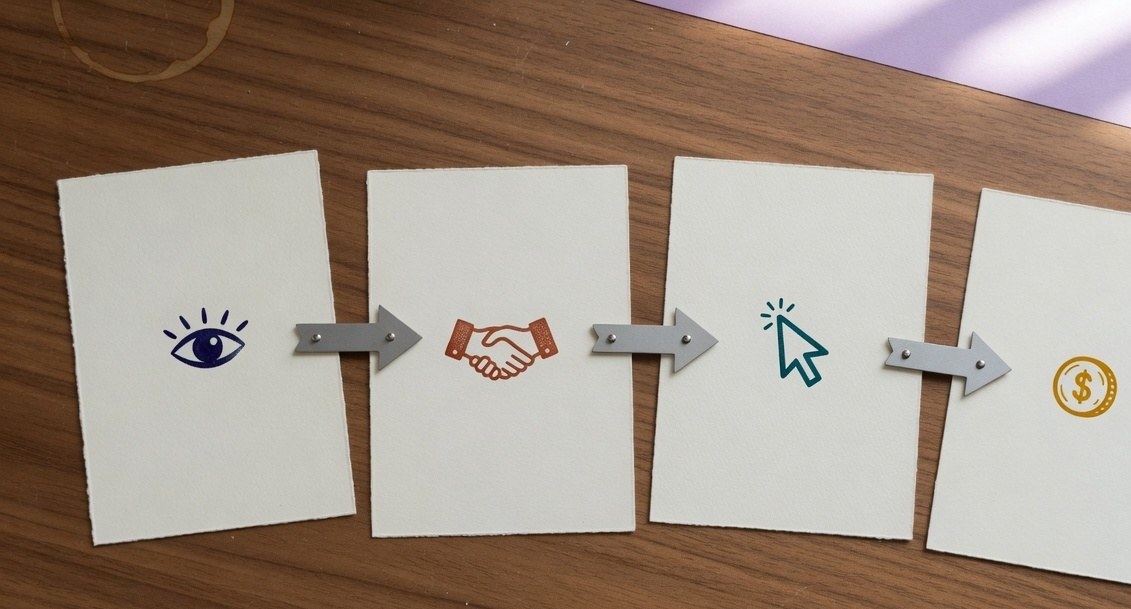
Think in four stages. Attention: posts and replies that prove you understand a painful job-to-be-done. Trust: specifics, limitations, and consistent niche presence. Click: one clear next step, either a bridge page or a single offer URL with disclosure. Commission: the network records a sale you can attribute back to a post, a bio path, or a content theme.
A practical weekly rhythm for one person looks like this. Two pure-value posts with no link. One comparison or field-notes post with a disclosed link after the reasoning. Daily reply blocks in niche conversations teach you how to get more replies by adding substance, not "great point." One profile or bio check to keep the primary destination aligned with what you are actively promoting. Optional: schedule the non-link drafts so your promotional posts stay manual and carefully tested.
Cold accounts should delay hard pitches. Spend the first one to two weeks showing judgment in public. Warm Instagram imports can move faster, but they still need Threads-native language. Cross-posted captions that sound like ads will train followers to scroll past you. Growth without trust is empty traffic. If you need the audience layer first, use a focused how to grow on Threads plan, then layer affiliate offers only where your expertise is visible.
Disclosure, Branded Content, and Clean Claims
If you earn a commission, get a free product, or have any material connection to a brand, say so clearly in the endorsement itself. The FTC's influencer guidance is blunt: disclosures must be hard to miss, in plain language, and not buried behind "more," mixed into hashtag soup, or stuck only on a profile page. Simple lines work: "Affiliate link. I may earn a commission if you buy." or "Paid partnership with [Brand]" when that label applies.
Meta's branded content rules cover Facebook, Instagram, and Threads. Creators are expected to use the branded content tools and paid partnership labeling where required. Meta's own help material states that content featuring an affiliate link should carry the Paid partnership label, even when a specific business partner tag is not required the same way a direct sponsorship is. Platform tools do not replace a clear in-post disclosure for your audience.
Never invent results. Do not claim a product made you a fixed amount unless it is true and substantiated. Do not endorse what you have not used when the endorsement implies personal experience. Income and health claims attract extra scrutiny. Selective honesty is a conversion feature on Threads, not a legal footnote.
Measure Clicks and Commissions, Not Vanity
A post can win the replies chart and still fail commercially. Build a tiny scoreboard you review weekly. Leading indicators: profile visits, bio link clicks, and clicks on in-post text links. Quality indicators: time on your bridge page, email captures if you use a lead magnet, and add-to-cart or trial starts when the network shares them. Lagging indicator: approved commissions by offer and by content theme.
UTM parameters on bridge pages help you separate Threads traffic from Instagram or email without fighting affiliate redirect rules. Keep a simple log: date, post type, offer, disclosure present, preview removed, clicks, sales. After twenty promotional posts you will see patterns no generic "best time to post" tip can replace. Pair that log with threads analytics explained so you do not confuse broad reach with buyer intent.
Kill losers fast. If an offer gets curiosity clicks and zero conversions across multiple honest posts, the mismatch is the offer, the audience, or the page, not "you need more followers." Double down on themes that produce quiet profile visits and slow sales rather than loud engagement with no downstream motion.
Action checklist
Use this as the practical next pass after reading the guide.
- +Pick one niche and three offers you can explain with tradeoffs
- +Rewrite your bio and primary profile link around that niche and an honest affiliate note
- +Test one affiliate URL on Threads: remove preview, click through, confirm tracking survives
- +Publish two value posts and one disclosed recommendation using a comparison or field-notes format
- +Start a weekly log of post type, offer, clicks, and commissions
- +Add clear in-post disclosure and use Meta branded-content labeling where it applies

Conclusion
Threads for affiliate marketing is not a loophole and not a dead end. It is a conversation channel where clicks follow demonstrated judgment, and commissions follow clicks you can attribute.
Protect your parameters, recommend less but better, disclose like an adult, and measure the path from post to payment instead of applause.
When the system feels steady, keep growing distribution with reply-first habits and cleaner writing. The goal is a small, defensible commission stream that compounds as your niche authority does.